Have you noticed that in stressful situations, your face becomes strangely puffy, round, and even a little saggy? People call this annoying problem “cortisol face.” And it’s directly linked to how our bodies cope with psychological stress.
When your mind is constantly “clogged up” with thoughts, the brain sends a signal to the adrenal glands to produce a hormone called cortisol. When cortisol levels remain too high for an extended period, it disrupts the body’s ability to retain water and fat. This condition is also known as “moon face” because of the round, full shape the face takes on.
But what exactly causes this swelling? And if it’s already happened, can you get rid of it? The HappyMynd team experimented, and we’ve identified real strategies to help you look your best again.
What Is Cortisol Face and Why Does My Face Look Fat?
Cortisol face is facial swelling and fat redistribution caused by chronically high levels of the stress hormone. The hormone itself isn’t harmful, and the body primarily uses it in stressful situations for survival mode. You might ask: Why does your body use it if you aren’t in survival mode? Actually, it only seems that way to you. Because the modern world is full of surprises, and you don’t even notice how you’re constantly thinking about work, money problems, and how this leads to a lack of sleep. And when the body lacks sleep, it perceives this as a life-threatening emergency.
-
It helps us wake up in the morning.
-
It gives us bursts of energy.
-
It helps us cope with danger.
Now imagine: 24 hours a day, 7 days a week, 365 days a year, your body remains in survival mode. You’ve accumulated cortisol, and now you’re searching the internet for answers to the question why does my face look fat. Cortisol has a strange habit of telling the body to store fat in very specific places. It doesn’t distribute it evenly throughout the body. Instead, it specifically deposits fat on the face, neck, and waist area.
At the same time, high stress levels cause blood vessels to leak small amounts of fluid into the surrounding tissues. This water retention, combined with an increase in fat tissue, leads to a rounder and puffier appearance of the face.
What Causes Face Bloating from High Cortisol?
Want to solve this problem? Then you first need to figure out why it happened. When people ask us what causes face bloating, we usually have to analyze their habits and lifestyle. And we’ve identified the most common factors: When cortisol levels remain elevated, the body retains sodium and water. This leads to visible facial swelling, as if your cells are afraid to let anything go. This is because they think that “survival mode” is imminent. It’s worth noting that a high cortisol face can also result from conditions such as Cushing’s syndrome. In this case, the body produces too much of this hormone on its own.
For an accurate diagnosis, we recommend consulting a doctor and getting tested.
-
Chronic emotional stress. A constant feeling of being overwhelmed at work or at home without a break.
-
Lack of sleep. Regularly sleeping less than seven hours or waking up frequently.
-
Excessive consumption of sugar and processed foods. These cause a spike in inflammation and insulin. This leads to fat accumulation.
-
Excessive physical exertion. Cardio workouts that are too intense without rest and muscle recovery.
-
Certain medications. Prescription drugs, such as corticosteroids, are known to cause this side effect.
Face Before and After High Cortisol: What Changes?
The transformation can be shocking when you look back at old photos. Typical visual differences people notice on their face before and after high cortisol include:
Your skin may also look a little duller or lose its natural firmness. This happens because high stress levels negatively affect collagen production.
The challenge is that these changes develop gradually. It doesn’t happen after a single bad night or a one-off argument. It happens imperceptibly over weeks and months. That’s why many people don’t connect their appearance to stress until the signs become obvious. They think they’ve just gained weight, but regular diets don’t seem to help.
Does this sound like what you see in the mirror? If so, please don’t panic. We want to assure you that high cortisol face often disappears completely once hormone levels return to normal. But to achieve this, you really need to change your lifestyle. Your body strives for balance. You just need to create the right conditions for it.
How to Get Rid of Moon Face and Reduce Puffy Face
Now let’s address your main concern. How to get rid of a moon face safely and naturally? You don’t need expensive procedures or painful methods. Instead, you need a clear plan of action. It should combine stress reduction, sleep optimization, and sensible physical activity.
You need to implement proven methods for lowering cortisol levels. This doesn’t mean you’ll have to change your whole life. But even small habits make a difference:
-
Try daily meditation or deep breathing for just ten minutes.
-
Make it a priority to get 7-9 hours of quality sleep every night.
-
Replace grueling, exhausting workouts with moderate-intensity exercise. For example, walking, yoga, or swimming.
-
Lifting weights or intense running when you’re already exhausted will only make the puffiness worse.
-
Consistency is key. It may take several weeks of lowering your cortisol levels before you notice a noticeable reduction in the signs of a puffy face.
-
Be patient with yourself. We recommend tracking your progress with weekly photos. This way, you’ll be able to see a gradually reduced puffy face.
Best Foods and Habits to Reduce Puffy Face
So, if you’re determined to get rid of cortisol face, you need to fill your plate with:
-
Leafy green vegetables. Spinach and kale are rich in stress-reducing vitamins.
-
Fatty fish. Salmon and mackerel contain omega-3 fatty acids. They reduce inflammation.
-
Berries. Blueberries and strawberries protect your cells from damage.
-
Avocados. Healthy fats help maintain stable blood sugar levels.
-
Nuts and seeds are rich in magnesium. Pumpkin seeds and almonds help relax the nervous system.
On the other hand, we recommend cutting back on refined sugar, excess sodium, and alcohol. All of these contribute to water retention in the body, making it harder to reduce facial swelling.
Simple daily habits can also make a huge difference. Make sure you drink enough water throughout the day. It sounds strange, but when you drink more water, your body stops retaining it. Also, try to reduce screen time before bed to ensure a deeper sleep. And limit your caffeine intake in the afternoon. This will allow your nervous system to relax.
Can Supplements Help Manage Cortisol Face?
Changing your eating and sleeping habits is the foundation. But high-quality supplements can give your body an extra edge. Nature provides us with adaptogens and nootropic ingredients. Studies link them to a healthier response to cortisol. To reduce a puffy face, ingredients like ashwagandha help your brain cope with stress more effectively. Meanwhile, L-theanine promotes a calm, focused state of mind without causing drowsiness. Rhodiola rosea and essential B vitamins also help maintain stable energy levels. This way, you won’t experience sudden crashes.
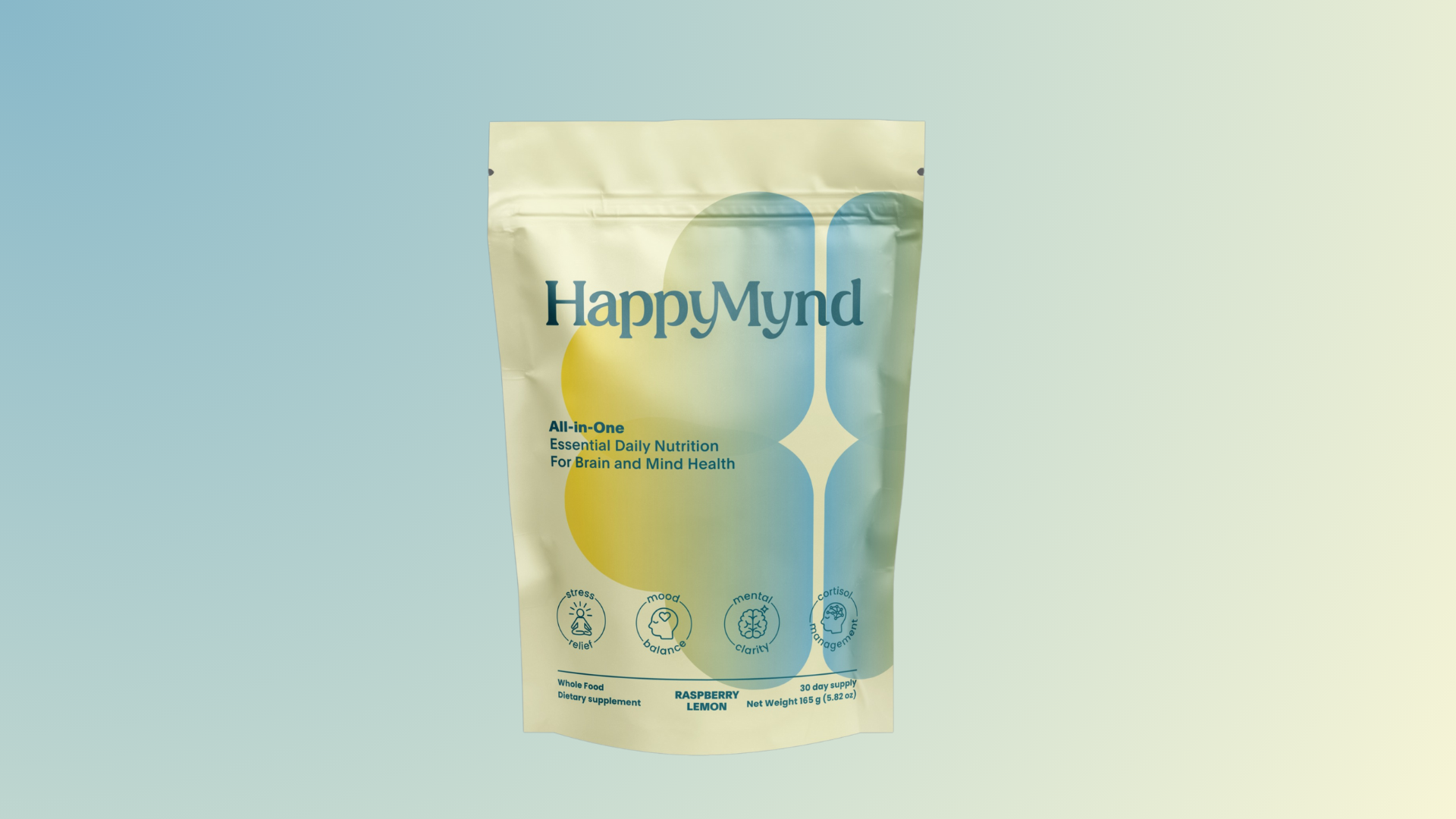
That’s exactly why we created HappyMynd. We designed it as a daily supplement for the brain and mind. It combines ingredients that balance stress and support cognitive function. Instead of buying five different bottles, you get a convenient and clean addition to your cortisol management routine. It works from the inside, helping to calm your nervous system.
Are you tired of dealing with facial swelling and constant fatigue? Then we recommend trying HappyMynd in combination with lifestyle and dietary changes. Give your body the rest it needs to recover. Just be sure to consult your doctor if symptoms of moon face persist for more than 4-6 weeks.