How to Lower Cortisol Naturally (Science-Backed Methods)
Last updated: April 24, 2026
Cortisol is produced by the adrenal glands and, under normal conditions, helps the body wake up in the morning, respond to stress, and maintain the right energy levels. The problem arises when stress doesn’t let up. The body continues to produce the hormone, levels don’t drop in the evening, and over time, this starts to wreak havoc on everything - sleep, mood, weight, and immunity.
Many people are interested in how to naturally lower cortisol without major intervention. The answer here isn’t the most complicated, but it’s also not the one you want to hear: it’s a combination of routine, diet, exercise, and properly selected supplements. It’s the combination, not just one thing. Anyone who’s tried simply “eating right” or “working out” knows - on their own, these approaches work much less effectively than we’d like.
The good news is that none of this requires a drastic lifestyle change. It’s about a few consistent steps that build up over time. And the sooner you start, the faster your body responds.
How Cortisol Affects Stress, Sleep, and Energy
Cortisol has a circadian rhythm. Levels are high in the morning - this is normal, as it’s what helps you get up and start your day. By evening, levels should drop, allowing you to relax and fall asleep. With chronic stress, this rhythm gets disrupted, and cortisol stays high when it’s not needed at all.
Understanding how to lower cortisol is easier if you know exactly where its excess shows up. You have trouble falling asleep, even though you’re physically tired. You wake up without feeling rested. In the middle of the day, you hit an energy slump, even though you haven’t done much. Your mind isn’t working as well as usual, and coffee doesn’t really help. Mood swings for no apparent reason - one moment feeling irritated over nothing, the next completely apathetic. This is a fairly typical picture of hormonal imbalance, and many people live in this state for years without linking the symptoms to cortisol. A good cortisol supplement helps maintain balance, but more on that later.
Diet Strategies That Help Lower Cortisol
What a person eats every day directly affects stress hormone levels. The mechanism is quite specific. Blood sugar spikes trigger a release of cortisol. A lack of protein prevents the body from recovering after exercise. Dehydration itself is perceived by the body as stress and triggers a corresponding response.
A well-structured cortisol diet plan doesn’t require anything extreme. It involves getting enough protein at every meal, fiber from vegetables and whole grains, minimizing processed foods and sugar, and drinking enough water throughout the day. It might seem obvious, but in practice, most people struggle to stick to this consistently.
A separate point about caffeine. Large amounts of it raise cortisol levels, and if a person drinks several cups a day, feels anxious, and sleeps poorly, the connection here is direct. This doesn’t mean giving up coffee entirely, but it’s definitely worth monitoring your intake.
There is a separate category of foods commonly referred to as high cortisol foods. This includes anything high in sugar, trans fats, alcohol, and processed packaged snacks. You don’t need to cut them out entirely, but if they form the basis of your diet, no supplements will make a difference. A normal cortisol diet plan starts with this: reviewing what you eat regularly, not by searching for a magic food.
Lifestyle Habits That Naturally Reduce Cortisol
Figuring out how to balance cortisol levels isn’t actually that difficult. It’s harder to make the necessary changes part of your daily routine than to make them a one-time effort once a month.
Sleep is the top priority here, no question. A cool room, darkness, and no phone for at least an hour before bedtime. This isn’t just advice for comfort; it’s a direct way to influence your hormonal rhythm. Chronic sleep deprivation raises cortisol regardless of everything else you do. You can take the highest-quality supplements, eat right, and hit the gym, but if you’re sleeping only five hours, you’ll see almost no results.
Physical activity reduces stress hormones, but moderation is key. Training too intensely every day without recovery has the opposite effect - your body perceives it as yet another source of stress. Walking in the fresh air, which many people underestimate, really does change your emotional state. Twenty minutes outside in the middle of the workday works better than you might think.
A consistent daily routine also plays a role. When the body knows what time to wake up, eat, and go to sleep, it functions more smoothly and doesn’t waste extra resources on adaptation. Adding a high-quality supplement to reduce cortisol to your morning routine enhances this effect - provided the basics are already in place.
Do Supplements Help Lower Cortisol?
They help, but not in place of lifestyle changes - rather, alongside them. This is a key point. A cortisol supplement acts as an enhancer of what you’re already doing, not as a substitute for sleep and a balanced diet.
Research confirms that ashwagandha reduces the stress response and helps the body adapt to stressors. Magnesium supports the nervous system, especially if your diet is deficient, which is the case for most people. B vitamins play a direct role in adrenal function. Rhodiola reduces fatigue during chronic stress. L-theanine promotes calm focus without drowsiness.
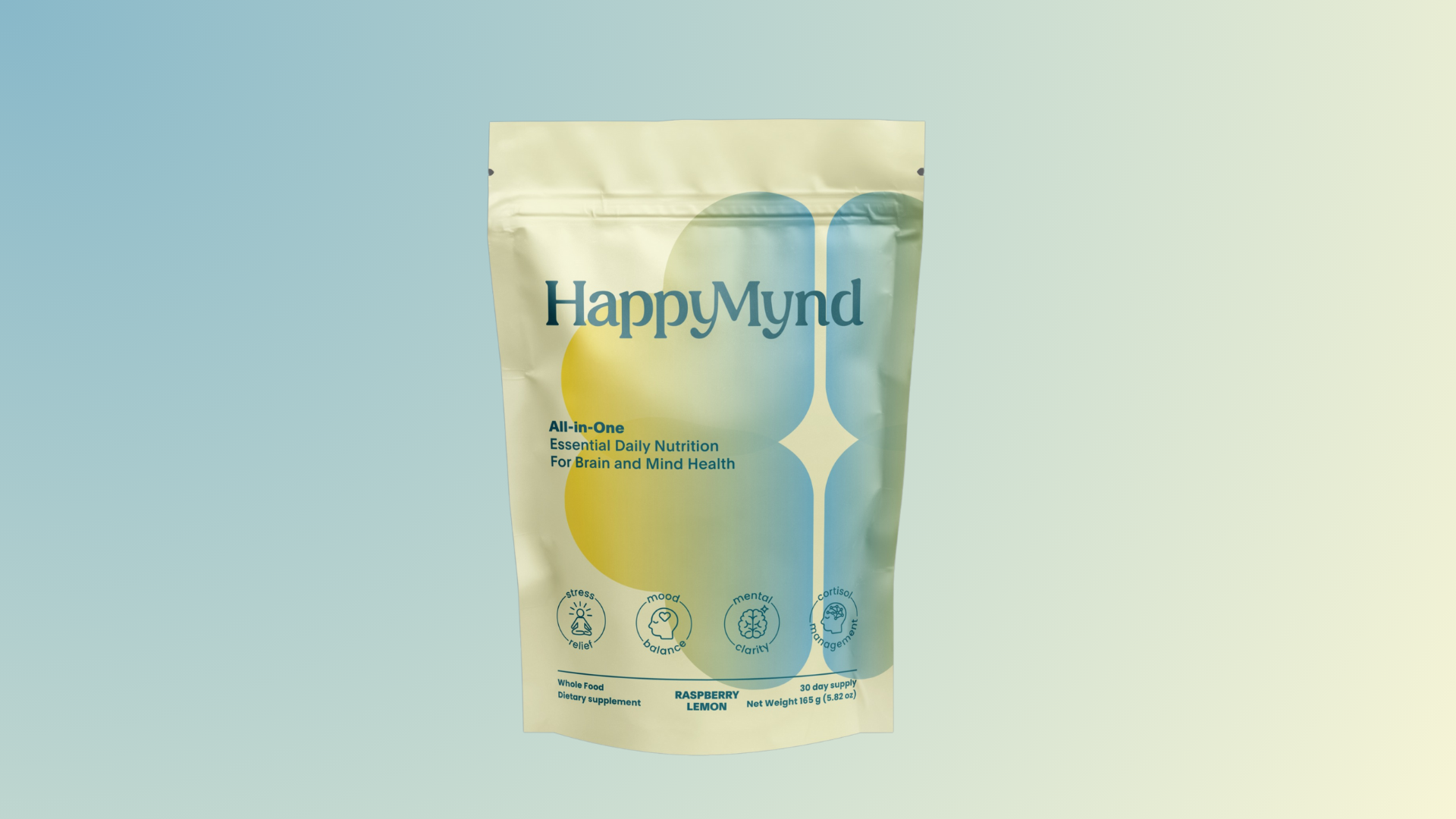
If you’re looking for a specific option, check out HappyMynd. This formula combines eight clinically studied ingredients specifically designed to lower cortisol and restore hormonal balance.

Creating a Sustainable Plan to Balance Cortisol
A good supplement to lower cortisol is part of a system, not the entire system. Only a comprehensive approach yields sustainable results - and that’s not just a catchy phrase, but a practical reality.
A diet free of excess sugar and caffeine, with enough protein, water, and fiber. Sleep in a cool room without gadgets before bed. Moderate physical activity several times a week. Short breaks throughout the day - walks, breathing exercises, any distraction that gives the nervous system a little respite. During acute stress, meditation and aromatherapy work well - these aren’t esoteric practices, but fully effective tools for reducing anxiety, backed by sound scientific research.
Supplements to reduce cortisol have their place in this plan - as daily support that works alongside established habits, not in place of them. HappyMynd was created with this very logic in mind - not to replace your lifestyle, but to make its results more noticeable and faster.
Your brain is your superpower
Now you can take better care of it.