Vitamins vs Minerals: Key Differences Explained
Last updated: April 24, 2026
The first thing that comes to mind when trying to improve your health is, "I need to take vitamins, and everything will be great." You've undoubtedly considered this at least once in your lifetime. However, after purchasing calcium and taking it consistently for three months, your test results haven't altered at all - or perhaps they've gone worse. Money spent, jar empty, zero benefit. And you ask yourself again: Did I waste my money? In this situation, yes, you did. But if you knew a few simple rules, you would know that calcium is useless without vitamin D. Your intestines cannot absorb it, and that's it, the calcium "passes through" your body without providing any beneficial properties.
This is exactly the moment when the difference between vitamins and minerals ceases to be a boring theory and becomes a question of your finances. Most people buy supplements based on advertising or "a friend's advice." And at that moment, the question of whether vitamins and minerals are the same thing doesn't even arise - well, they're right next to each other on the shelf, so they must be roughly the same thing. No. And this "no" is worth figuring out once and for all, so you don't literally throw your money away.
Difference Between Vitamins and Minerals: How They Work in the Body
Before going to the pharmacy (or sports store), let's figure out how these things actually work inside our bodies. The difference between vitamins and minerals starts with chemistry and biology - and the difference only gets bigger.
How Are Vitamins Different From Other Nutrients?
Once you've spent the money and realized that something has gone wrong (the test results haven't changed), you may ask yourself, how are vitamins different from other nutrients?
What exactly are nutrients, then? Essentially, these are fuel and building materials for our bodies. We are accustomed to dividing them into three groups:
-
Proteins (egg whites, white meat, and fish) are used to restore tissues and muscles.
-
Fats (egg yolks, sea fish, avocados, oils) are responsible for hormones and long-term energy.
-
Carbohydrates (cereals, vegetables, fruits) are the main source of quick energy.
Humans need energy for literally everything: to breathe, blink, think, and even simply formulate thoughts. Without constant replenishment, life is impossible - nutrients are its chemical basis.
Vitamins are a completely different story. They have no calories. They have a different role, let's say a supporting one. They trigger reactions, activate enzymes, and help cells do their job. For example, B12 is a useful vitamin. A deficiency of it is not just "feeling tired." A serious deficiency can lead to anemia and even worse consequences.
Another important point: vitamins are organic. This means that they are produced in plants, animals, and even bacteria in the intestines. Because of this, they are unstable.
Based on their behavior in the body, vitamins are divided into two groups:
-
Fat-soluble. They accumulate in fatty tissue and the liver.
-
Water-soluble. The body takes what it needs, and the rest is excreted in urine.
How Are Minerals Different From Vitamins?
How minerals differ from vitamins? Minerals are inert and inorganic, but vitamins are organic chemicals produced by living things. Minerals are only obtained from external sources, such as soil and water, which come via food chains, because our bodies are unable to produce them on their own.
This is the main difference: minerals are completely stable. Boil, fry, freeze - minerals will not go anywhere. That is, if a piece of red fish is rich in vitamin D, phosphorus, and selenium, then when frying/boiling, some of the vitamin D will be lost, but the phosphorus and selenium will remain.
Minerals are also divided into categories:
-
Macronutrients. Needed in grams: calcium, magnesium, potassium, phosphorus, sodium.
-
Micronutrients. Needed in microdoses, but a deficiency has a strong impact: iron, zinc, iodine, selenium, and copper.

Minerals vs. Vitamins: Are They the Same Thing or Not?
If you have read what we wrote above, you probably already know the answer to the question, "Are vitamins and minerals the same thing?" But we will answer again: NO! They are completely different, BUT they almost always work together. Perhaps it is their "tandem" that creates the illusion that they are the same thing.
Consider iron as a case study. You purchase and begin taking capsules if you have an iron deficit. But did you know that your test results will not change much even after three months? Why? because vitamin C, a vitamin, and iron, a mineral, function better together. You won't see results unless you use this combo.
Minerals vs. vitamins are NOT synonyms, BUT THEY ARE NOT competitors either. These are two different classes of substances that perform different tasks and constantly complement each other.
Vitamin and Mineral Supplements: Choosing the Right Option
Now let's get down to business. Since you've read this far, choosing vitamin and mineral supplements will become easier (and, pleasantly, cheaper, because you will immediately buy what is useful for your body):
-
Tests. This is essential because you don't really know what's going on inside your body. Get a basic checkup. It's inexpensive and shows the real picture.
-
Form. If you see "magnesium," don't grab the first jar you see. Is it magnesium oxide, glycinate, or malate? Each works differently. The same goes for iron: iron sulfate causes stomach problems in half of people, while bisglycinate is easier to tolerate and better absorbed.
-
The intake time. Vitamins that are fat-soluble should be taken with fat-containing foods. Iron should be taken with vitamin C or in the morning on an empty stomach. Magnesium has a mildly calming effect and aids in falling asleep, therefore many individuals take it in the evening.
-
Megadoses. This applies to both vitamins and minerals. Excess is NOT beneficial. You can only harm yourself.
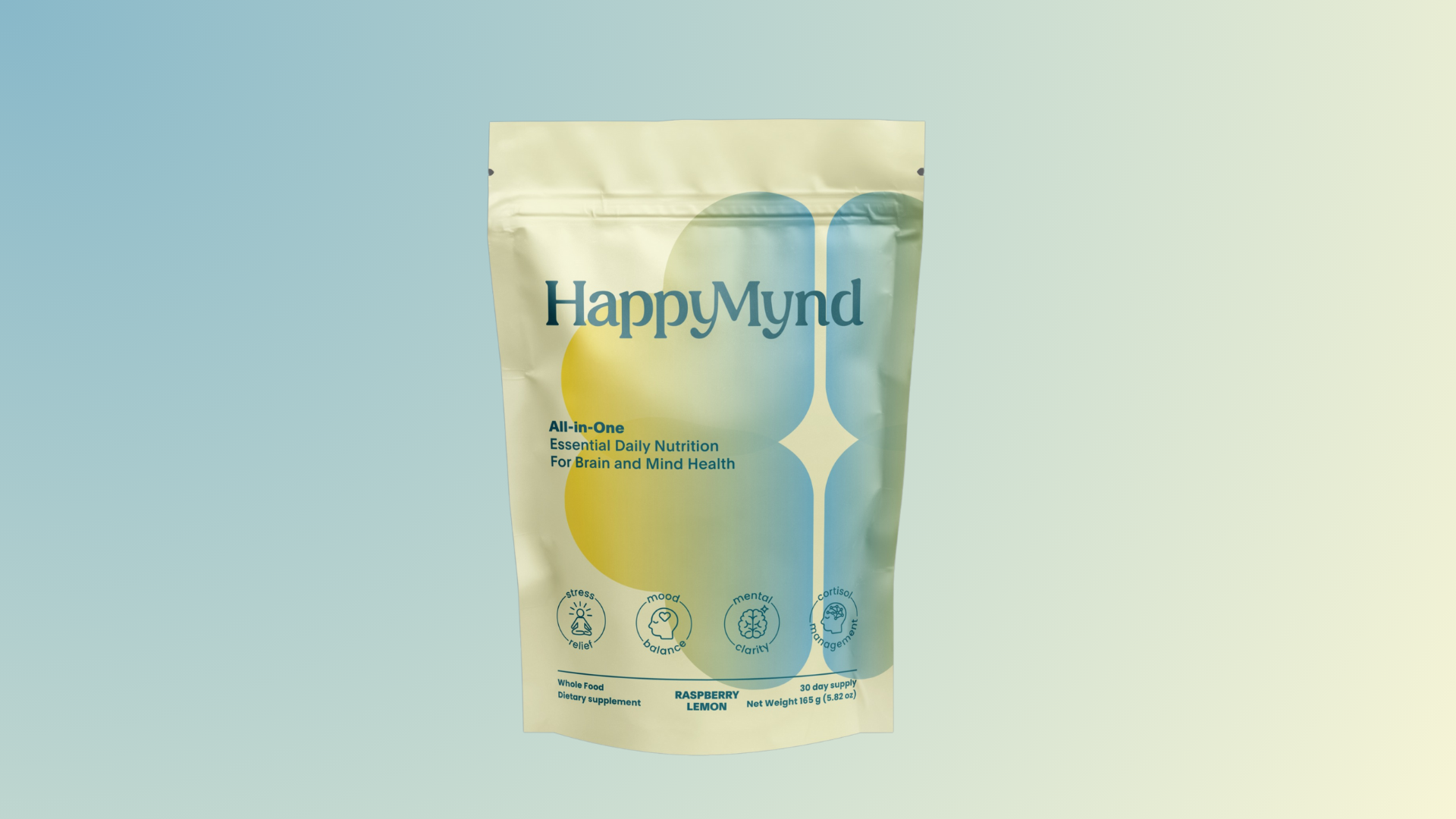
If your morning ritual resembles a chemistry lab, where you have to calculate the compatibility of five different dietary supplements and remember to take them "before meals" and "after meals," it's time to switch to HappyMynd.
We created this functional drink for those who value their time and cognitive resources. We've already done all the hard work for you:
-
We calculated the exact dosages
-
We checked the bioavailability
-
We packaged it in a convenient format
Just one glass of water with HappyMynd in the morning, and your nervous system is ready for deadlines, stress, and intense work. It's a boost of energy and focus that doesn't require a handful of capsules or alarm clocks.
Your focus and peace of mind start here: drinkhappymynd.com.
Your brain is your superpower
Now you can take better care of it.