Top Strategies to Improve Memory and Retention
Last updated: April 24, 2026
You know when you walk into a room and totally forget what you went in there for… Or when you meet someone and five minutes later you are trying to remember their name. This does not mean anything is wrong with you. Your brain just needs help.
Memory is a deal. It affects your job and your studies and the people you care about. When your memory does not work well you waste time. You get stressed out and you start to doubt yourself. And most people resign themselves to it, thinking, "That's just how my brain works."
But here's the thing: memory is not a fixed quantity. It can be trained and maintained, and you can actually improve your memory at any age, not through heroic efforts, but through good habits and simple techniques.
Want to learn practical ways to remember information better? We’ll share methods we’ve tried ourselves - and they’re easy to fit into your schedule. If you’ve been looking for how to improve your memory but didn’t know where to start, you’ve come to the right place. Let’s take a look at specific memory strategies that will help you.
Why Memory Declines and What You Can Do About It
Before you can fix something, you need to understand what's broken. Memory doesn't "deteriorate" for no reason. There are specific factors that prevent it from working properly:
-
Stress. This is number one. Cortisol literally blocks memory processes. When you are in a state of constant anxiety, your brain is busy surviving, not archiving new information.
-
Lack of sleep. This is the second main enemy. It is during sleep that the brain "sorts" memories, transferring them from short-term storage to long-term storage. No sleep means no memory consolidation.
-
Information overload. We consume a tremendous amount of content every day (especially with the development of social networks such as TikTok, Instagram Reels, and YouTube Shorts). The brain does not have time to process all of this into useful memories.
-
Lack of structure. When information comes in chaotically, without connections or context, it doesn't stick.
The good news is that all of these factors are controllable. Memory can be trained like a muscle. And memory improvement techniques work precisely because they address these causes directly. It's never too late to start - the brain retains its neuroplasticity throughout life.

How Short-Term Memory Works in Daily Life
Short-term memory is your desktop. Everything you currently have in your head: the phone number you just heard, the name of your new colleague, the task for the next hour. It can hold a little - about 5-7 pieces of information at a time - and quickly "erases" if not reinforced.
That's why you forget where you put your keys (you didn't consciously fix the moment) or confuse the details of a task (too much at once).
Short-term memory strategies help here and now. For example: say aloud what you want to remember, write it down immediately, not "in a minute," or deliberately repeat a person's name in conversation. These are not tricks - they are ways to give your brain a little more time to fix the information.
Small changes in how you process information in the moment have a big effect in the long run.
Common Mistakes That Block Memory Improvement
The most common mistakes that prevent improving your memory from developing:
-
Cramming before a deadline. This most often affects schoolchildren or students, but it can also affect adults. Memorizing a poem, story, or report isn’t the same as retaining the information. You’re simply holding it in your memory temporarily. The brain doesn’t work that way; it needs time to consolidate information. That’s why, most likely, after the exam or turning in the report, everything you “crammed” will be forgotten very quickly.
-
No rest. Many people view sleep as a time when they forget things. But our brain works differently. It is precisely during sleep that the brain transfers information to long-term storage. Without proper rest, even the best short-term memory strategies are only half as effective.
-
Waiting for the right moment. This is a common situation where you miss a good opportunity. Our memory, just like our body, needs training. And for this “training” to yield results, consistency is key. It’s better to practice for 10 minutes every day than for 3 hours all at once, but only once a week.
Proven Memory Strategies That Actually Work
Theory is good, but what should you do specifically? Here are some time-tested memory strategies that really work:
-
The association method. Connect new information with something you already know. Associate the name of a new acquaintance with a famous person or image. The brain remembers connections better than isolated facts.
-
Visualization. Turn information into a picture. The more absurd the image, the easier it is to remember. This is not a childish trick, but one of the most effective tools.
-
Chunking (grouping). Break large amounts of information into blocks. A phone number is easier to remember as three groups of digits than as ten separate ones.
-
Interval repetition. Repeat the material at increasing intervals: after an hour, then after a day, then after a week. This is the gold standard of memorization.
-
The Feynman method. Explain the topic in simple words, as if you were telling a child. If you can't do it, it means you don't really understand it yet.
The key to improving memory is not intensity, but regularity. Five minutes a day consistently beats an hour once a week.
Daily Habits That Help You Get More Memory Power
Techniques are tools. But tools only work on a healthy foundation. Here's how to get more memory through lifestyle - without radical changes:
-
Sleep is a necessity. 7-9 hours of quality sleep is when the brain literally records memories on its "hard drive." Chronic sleep deprivation reduces cognitive function faster than anything else. If you have trouble sleeping, start with a routine: go to bed and wake up at the same time every day.
-
Exercise. Physical activity increases blood flow to the brain and stimulates the production of BDNF, a protein that supports neuron growth. Even a 20-minute walk improves concentration and improves memory in the short term.
-
Mental breaks. The brain cannot be productive non-stop. Short breaks every 60-90 minutes are not laziness, but a neurophysiological necessity. It is during these breaks that information is processed and consolidated.
-
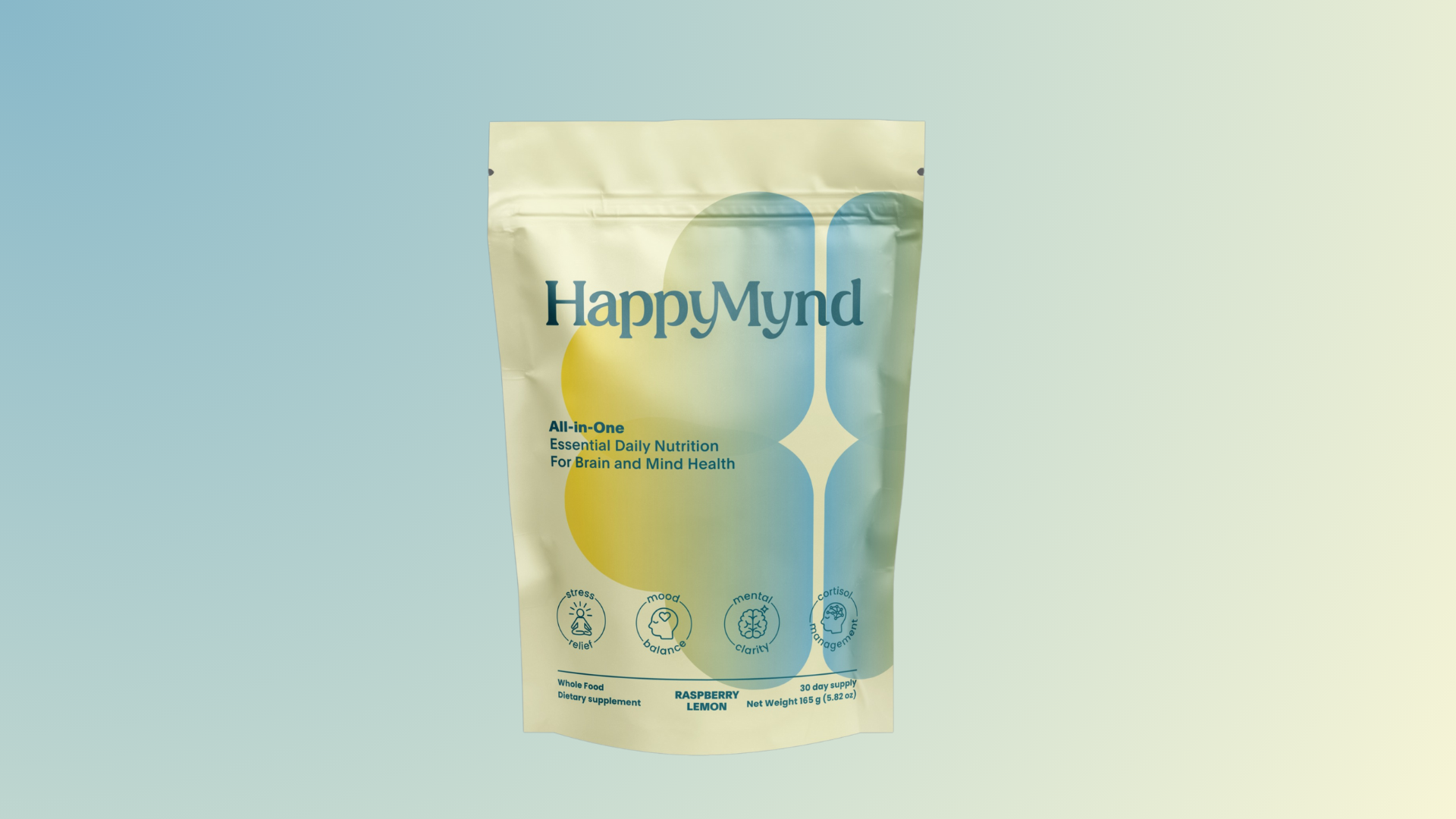
Brain nutrition. Magnesium, B vitamins, omega-3 fatty acids, and adaptogens are nutrients that directly affect cognitive function. If your diet is inadequate, even the best techniques will only work at half their potential. Here, it is worth paying attention to Happy Mynd - a functional drink designed specifically to support the brain: concentration, clarity, and stress resistance.
-
Social and intellectual engagement. Conversations, new tasks, and learning - all of these stimulate neural connections. A bored brain deteriorates faster.
It is the combination of habits that truly answers the question of how to get more memory - not through one-off efforts, but systematically.
How to Turn Memory Improvement Techniques Into a Routine
Knowing the techniques is one thing. Applying them every day is quite another. Here's how to do it without forcing yourself:
-
Start small. Don't try to implement everything at once. Choose one technique - for example, interval repetition for work tasks - and use it for a week. Then add another one.
-
Link them to existing habits. Want to practice visualization? Do it while drinking your morning coffee. Want to review material? Use your commute to work. New habits take root when they cling to old ones.
-
Make your environment supportive. Remove unnecessary tabs in your browser. Put your phone in another room while you work. Keep your notebook in plain sight. Your brain works better when there are fewer distractions.
-
Track your progress. Not in a big way, just simply: once a week, notice whether it has become easier to remember names, tasks, and details of conversations. Small victories motivate you to continue.
-
Support your brain from within. Routine works when the body gets the resources it needs. Happy Mynd is a convenient way to add nutrients for cognitive support to your daily routine: no handfuls of pills, no complicated schedules.
The main thing to understand about memory improvement techniques is that it is a process, not an event. It's not "I started working on my memory in January." It's "I do a few small things every day that work."
Start today. Right now. Choose one technique from this article and apply it to your next task. The brain learns through action - and yours is no exception.
Your brain is your superpower
Now you can take better care of it.