Life moves incredibly fast these days. And for most of us, stress has just become a permanent passenger we carry around. When the pressure starts mounting from work, bills, and family life, your body kicks into gear by releasing cortisol. It’s our primary stress hormone. When the stress never stops, high cortisol changes from a helpful survival mechanism into a quiet health disruptor.
The tricky part is that so many people walk around with a major hormonal imbalance every single day. And they have no idea what is actually wrong. The early signs that high cortisol leaves behind are incredibly easy to dismiss. You might blame your constant, heavy tiredness on a bad night of sleep. Or you might just chalk up a foggy brain to the natural process of getting older.
Ignoring these warnings doesn’t make them go away. Instead, it traps you in a brutal cycle of chronic burnout. And who else but the HappyMynd team can help you navigate all the ins and outs and pinpoint what will help you get rid of cortisol symptoms?
What Is Cortisol and What Role Does It Play?
Cortisol is definitely not a natural villain. Your adrenal glands work hard to produce it every single day just to manage basic tasks. It plays a massive role in controlling your blood sugar levels. It regulates how you burn food for energy and reduces internal inflammation. And it even helps your brain form memories. It acts as your body’s built-in alarm clock - helping you wake up and fall asleep at night.
The real trouble begins when your body gets stuck in a constant, never-ending state of emergency. When intense stress sticks around for weeks or even months, your internal system forgets how to turn off the alarm and just keeps pumping out hormones. This state brings on very noticeable high-cortisol symptoms. They make every single aspect of regular daily life feel incredibly heavy.
Most Common Signs of Elevated Cortisol
When your stress hormones overflow, your body runs out of places to hide them. And it starts sending very visible signs of elevated cortisol to the surface:
-
Excess weight. One of the most classic and frustrating signs of elevated cortisol levels is unusual, persistent weight gain. It seems to appear out of nowhere. It accumulates specifically in the abdominal area and deep within the abdominal cavity. And this happens even if your eating habits and physical activity haven’t changed at all.
-
Moon face. Along with weight gain, you may notice your face looks a little rounder, softer, or puffier. This condition is called Moon Face or Cortisol Face. Sometimes the body doesn’t gain weight, but the face becomes more swollen - this is also the work of cortisol.
-
Thin skin. Not literally, of course, but excess cortisol makes your skin more prone to random bruises. You may also notice that wounds, scratches, and minor cuts take much longer to heal than they used to.
The physical impact of this hormone imbalance doesn’t just stop at superficial changes in your appearance. There are several secondary, highly disruptive symptoms of elevated cortisol. They actively mess with your comfort and quality of life. Many people find themselves dealing with frequent, tight tension headaches. Those simply won’t go away with regular pain medicine. Others experience sudden, uncomfortable digestive issues. It includes constant bloating, painful stomach cramping, and a newly sensitive digestive tract that reacts to everything you eat. Cortisol naturally narrows your blood vessels and forces your heart to pump much harder. So, it can also directly contribute to increased blood pressure.
How High Cortisol Affects Your Mind and Mood
Chronic stress takes a toll on your emotional well-being and mental clarity just as hard as it does on your physical body. When your brain is soaked in a soup of survival chemicals, it fundamentally alters how you:
You’ll very frequently experience frustrating mental high cortisol symptoms. It includes a persistent, heavy brain fog. It makes you forget why you walked into a room. You might also notice sudden waves of irritability over tiny, insignificant issues, a constant, underlying baseline of nervous anxiety, and a really difficult time concentrating on simple, routine tasks.
This emotional chaos quickly creates a miserable, exhausting loop with your nightly schedule. Under normal conditions, your stress hormones drop significantly in the evening hours. It’s to let your mind wind down. But when you’re living with high cortisol, those levels stay stubborn and elevated right when you need to sleep. It leaves you feeling completely wired yet absolutely exhausted the second your head hits the pillow. You lie awake staring at the ceiling, struggling to fall asleep. You can wake up multiple times in the middle of the night. And you can open your eyes the next morning, feeling totally unrefreshed and run-down. This terrible sleep then places even more physical stress on your body. It drives your hormone levels even higher the very next day.
Natural Ways to Manage Cortisol Symptoms
The good news is that you don’t have to just accept constant exhaustion and frazzled nerves as your default state. You can naturally lower your stress hormones and bring your body back to reality. Regular, low-impact movement, like a relaxing walk through your neighborhood or some light stretching, lowers levels of stress hormones. Dedicate even five minutes a day to quiet mindfulness. Set strict boundaries around your screen time before bed. Prioritize a consistent sleep schedule. And eat a clean diet full of whole, anti-inflammatory foods. They all give your overactive nervous system the green light it needs when fighting elevated cortisol symptoms.
Nature also provides us with some effective tools called adaptogens. They’re specialized, natural herbs and unique botanical compounds. They actively help your human body adapt to external stress and balance out its internal chemistry. Ashwagandha and L-theanine have extensive modern clinical research supporting their ability to soothe a completely fried nervous system. They can reduce intense feelings of daily overwhelm and safely ease your chronic cortisol symptoms.
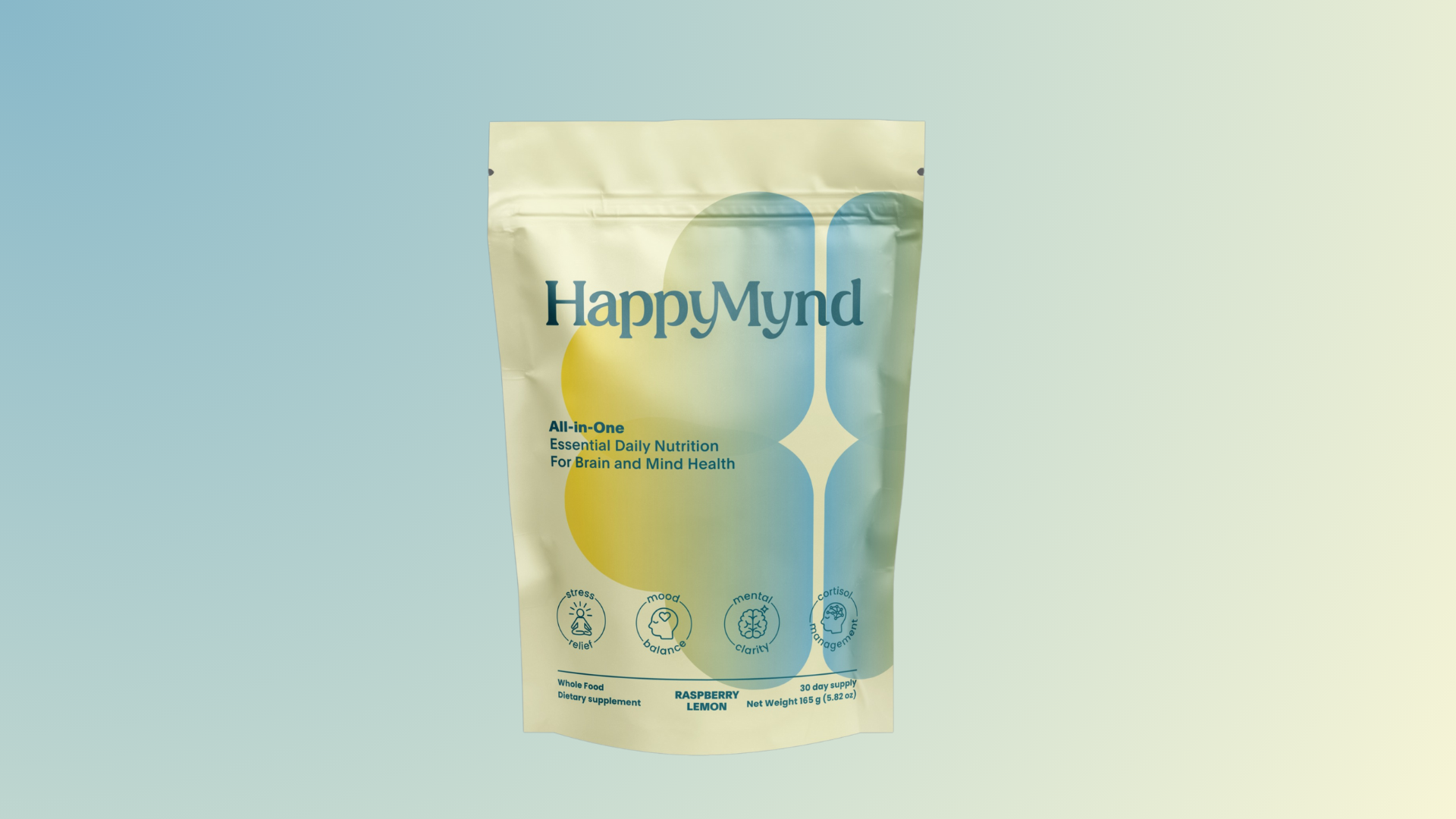
At HappyMynd, we created our daily supplement blends. They bring these exact, research-backed natural compounds directly into your busy life without any hassle. Our formulas carefully combine high-quality, clean adaptogens. They help steady your daily mood, clear away that heavy afternoon brain fog, and support more restorative sleep at night. Are you looking for more practical, easy lifestyle shifts that you can easily combine with your new supplement routine? Then, definitely check out our full breakdown of natural ways to lower stress.