Saffron for Mood and Depression: What the Science Says
Share
Last updated: April 24, 2026
It is known that long before the discovery of neurotransmitters, ancient Persians, Indian medicine Ayurveda, as well as Mediterranean cuisine, included saffron threads in their dishes. These herbs were applied to treat people who suffered from different mental diseases, including insomnia, depression, etc. It is important to note that these days, this plant, having been thoroughly researched for decades, remains an important source of scientific data on how we can improve our mood or fight depression.
Thus, the main question here would be as follows: Can saffron be used for depression or for mood?
What Is Saffron? A Brief Overview
So, what is saffron? Saffron is known as a rare and extremely pricey culinary product extracted from the stigmas of the Crocus sativus flower - a purple bloom cultivated in Iran, Spain, India, and Morocco. One flower contains only three stigmas, which means it takes 150 thousand blooms to produce 1 kilogram of saffron. Therefore, this product is the most expensive spice in the world and always has been.
However, there was more to saffron than being a delicacy before the emergence of clinical trials. For example, traditional Persian and Ayurvedic physicians used saffron as a medicinal herb for treating depression, insomnia, digestive, and menstrual problems hundreds of years ago. Currently, modern research has proven that there are three active ingredients in this plant, which are responsible for all its peculiarities: crocin, which provides the distinctive red coloring, safranal, an ingredient responsible for the specific smell of the plant, and picrocrocin, which is an element providing bitterness.
Also, it should be said right away that saffron, which is applied in cooking, possesses numerous beneficial qualities and is very tasty, but cannot be regarded as a cure for depression. The reason is that its concentration of active compounds differs considerably depending on the climate conditions of cultivation, harvest season, and storage. On the contrary, saffron extract standardized by the concentration of its main compounds is used for scientific research into the effects of saffron.
How Does Saffron Affect the Brain?
The answer to the question “Does saffron work?” seems to be positive, and there are certain reasons behind this assumption. First of all, there are quite specific biological processes underlying the effects of saffron on the body.
Thus, one of the primary methods is related to serotonin. Safranal and crocin inhibit the activity of transporters involved in the reuptake of serotonin released by neurons, leaving this hormone in the synaptic cleft for a longer period. This process is similar to the action of selective serotonin reuptake inhibitors (SSRIs) prescribed for treating depression.
Furthermore, saffron appears to regulate dopamine and norepinephrine levels, explaining why patients who have taken saffron for depression experience not only improvement in depressive mood but also increased motivation and concentration on the tasks ahead of them.
Another biological mechanism behind the effectiveness of saffron in cases of depression is associated with inflammation. Indeed, depression and low-grade inflammatory responses have been observed to be connected in recent years. However, the anti-inflammatory effects of saffron are related to its ability to act as a potent antioxidant - a compound capable of neutralizing free radicals.
At last, one should mention that this plant affects brain-derived neurotrophic factor (BDNF). Its decreased levels are one of the symptoms observed in depressed individuals, and supporting it for prolonged periods is one of the mechanisms by which conventional antidepressants work. Thus, the pharmacology of saffron overlaps with recognized antidepressant targets.
Saffron for Depression: What the Studies Show
The findings presented by scientists regarding saffron as an antidepressant remain consistent, despite the numerous studies conducted. What we can conclude is that standardized saffron extracts can indeed alleviate the symptoms of mild to moderate depression. Their effectiveness is comparable to that of traditional prescription drugs, but with minimal side effects.
The usual dose of a saffron extract used in research is 30 mg per day. It is divided into two equal doses and is used for six to eight weeks. The following symptoms are usually assessed: persistent sadness, poor sleep, constant tiredness, appetite fluctuations, and lack of motivation. In general, studies on saffron for depression have revealed that saffron extract has a significant positive effect on all of them.
The improvement in these areas manifests itself in different ways. While depression tends to involve a dramatic change in mood, patients usually report gradual improvement and alleviation of the symptoms. This observation is explained by the multi-mechanical nature of the action of saffron: it affects several processes involved in regulating emotions and mood.
Unfortunately, it is essential to note that the efficacy of saffron in severe cases of depression remains questionable. Therefore, it should not be used as a substitute for professional care and prescription drugs.
Does Saffron Help with Anxiety?
Since depression and anxiety often go hand in hand, another pressing question arises: does saffron help with anxiety? Fortunately, the results obtained thus far are quite promising.
Generally speaking, people who have decided to try saffron for anxiety relief have reported a reduction in everyday worries and increased stress resilience, as well as improvements in other areas of their lives. Moreover, this improvement is accompanied by better sleep quality and a calmer overall attitude.
To date, the most probable explanation of this phenomenon lies in the effect of safranal on GABA receptors. It turns out that safranal activates the inhibitory GABA system of the brain gently, just like many other psychoactive substances, including diazepam. It should be noted that saffron has an insignificant effect on this system and poses little risk of becoming addicted.
Thus, one can say that the use of saffron is efficient in combating everyday forms of anxiety caused by excessive workloads, inadequate sleep, and various stressful circumstances. However, saffron cannot be viewed as a solution to severe anxiety disorders.
Saffron vs Antidepressants: How Do They Compare?
Many people believe that saffron can be used as an antidepressant. Now, let us consider the question that many depressed individuals ask before trying saffron: Is it as effective as prescription drugs, and how are they different? Indeed, this plant has been found to exhibit similar effects on neurotransmitter levels in many scientific studies.
However, there are significant differences in terms of side effects. Namely, unlike conventional antidepressants, saffron cannot cause any sexual dysfunction, increased weight, sedation, addiction, or gastrointestinal issues.
However, this does not mean that you can replace an antidepressant prescribed by your doctor with saffron immediately. Severe and/or recurrent depression, bipolar disorder, and cases involving suicidal thoughts require professional intervention, not self-medicating.
Also, remember that you should never abruptly cease using any drug. You may experience withdrawal symptoms that will exacerbate depression and require urgent medical assistance. Please consult a specialist before changing your medication and/or its dosage.
Is Saffron Safe to Take? Dosage and Side Effects
Is saffron safe to take? In most cases, saffron is safe for consumption as food and medicinal products. It should be noted, however, that this spice may be harmful at certain high doses. Therefore, one should consume 15 to 30 mg per day of standardized extract of saffron without exceeding this dose range.
The most frequent adverse effects observed with regular consumption of saffron within the indicated dose range are mild headaches, nausea, dizziness, dry mouth, and appetite changes. Higher amounts pose considerable risks to consumers. Exceeding the daily dose of 1.5 g of saffron may lead to severe side effects.
The conclusion is pretty straightforward - the less, the better. You can take 15 to 30 mg daily to experience a full range of saffron benefits safely. Several categories of individuals should use extra caution when taking this herb, for example, if they want to take saffron for anxiety.
Namely, pregnant women are strongly discouraged from taking saffron supplements. High doses of saffron have been found to provoke uterine contractions and may cause bleeding. Individuals taking other serotonergic medications, such as SSRIs, should avoid taking saffron without consulting a doctor since there is a risk of serotonin syndrome.
Furthermore, it is recommended to use this herb with caution for those who suffer from bipolar disorder or bleeding disorders, especially when they are under medication that thins the blood.
Even though saffron is quite a potent psychoactive substance, its extract standardized by active compounds poses a lower risk to users than many other medicinal plants used similarly.
How to Add Saffron to Your Mood Support Routine
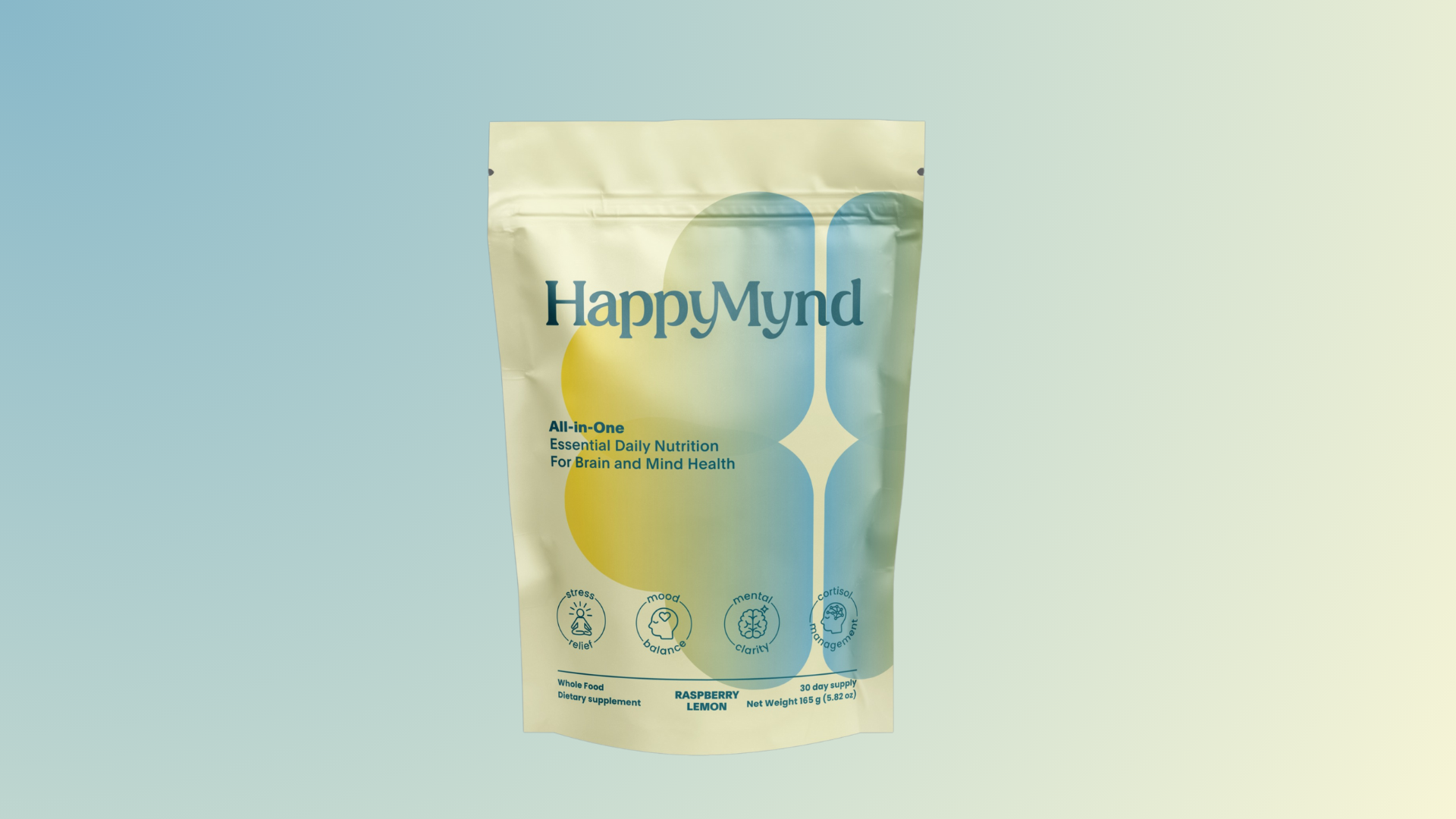
Let us consider several tips that will enable you to receive the greatest possible benefit of using saffron. To begin with, one should understand that saffron consumed in its pure form in the kitchen will hardly produce any effect. As discussed earlier, this product must be standardized in terms of the content of active compounds. A convenient way to get a consistent, research-aligned dose is through a formulated blend such as HappyMynd - the complete brain and mind nutrition, which combines standardized saffron extract with other evidence-based botanicals.
So, is saffron safe to take? One should take saffron extract twice or thrice daily at a dose of 30 mg. However, one should keep in mind that the effects will be noticed not after a few days but only in six weeks, which is normal.
Moreover, you should provide yourself with additional support by sticking to a balanced diet, getting enough physical exercise and exposure to sunlight, and sleeping properly. In addition, choose products whose extracts are standardized and certified - you can explore the full approach to daily mood and cognitive support at Happy Mynd.
Your brain is your superpower
Now you can take better care of it.