L-Theanine and Magnesium for Stress: What the Research Shows
Last updated: August 3, 2026
A clear head, less fatigue, a steadier mood: these are things almost everyone wants, and in a world running on constant low-grade stress, more people are turning to supplements to get there. Magnesium and L-Theanine keep coming up as two of the more researched options for taking the edge off.
Understanding the actual L-Theanine benefits helps people make a more informed choice instead of just following a trend. This compound is mostly known for supporting focus while easing fatigue. Magnesium works differently, with more of a slow, cumulative effect that builds over weeks. Together, both are used to support a calmer nervous system, and knowing the upside and the fine print helps you decide if either one makes sense for you.
What Is L-Theanine?
Research on L-Theanine points to a fairly well-tolerated compound for softening the effects of everyday stress. It's an amino acid found naturally in green and black tea, and it's become popular for relaxing without the drowsy fog that comes with a lot of calming supplements. L-Theanine benefits tend to center on three things: steadier focus, more emotional balance, and a calmer response to whatever the day throws at you.
It seems to work by nudging the brain toward a more relaxed state without slowing you down. Productivity doesn't take a hit, and drowsiness generally isn't part of the deal. That's why it shows up in so many daily supplement blends, and why people keep reaching for it during the parts of the day that demand focus.
L-Theanine Benefits and Anxiety: What the Research Shows
A lot of people describe the same pattern: constant low-grade irritability, tiredness that doesn't match how much sleep they're getting, a mind that won't slow down. Poor recovery tends to be at the root of a lot of that. Researchers have actually run controlled trials looking at whether L-Theanine changes any of this, and a few consistent findings show up:
-
Better concentration through the working day.
-
Lower physiological markers of tension and stress.
-
An effect on neurotransmitters tied to mood regulation and a sense of calm.
-
More alpha brain wave activity, a pattern linked to relaxed, clear-headed focus.
That alpha wave finding isn't just marketing language, either. In a randomized, placebo-controlled crossover study published in Neurology and Therapy, participants who took a single dose of L-Theanine showed a measurable increase in frontal alpha wave activity a few hours later, alongside a drop in salivary cortisol compared to placebo. Another controlled trial found that after four weeks of daily use, people reported measurable improvements in stress-related symptoms and sleep quality compared to the group taking a placebo.
L-Theanine for anxiety looks genuinely promising in the research, but it works best as one piece of a bigger picture rather than a stand-alone fix. The broader L-Theanine benefits show up most clearly when sleep, movement, and a decent diet are already doing their part, since none of that gets replaced by a supplement.
Does L-Theanine Make You Sleepy?
Does L-Theanine make you sleepy is probably the most common question people ask before trying it, and the honest answer is: not really, though it depends on the person. It isn't a sedative in the way melatonin or an antihistamine is. The main effect is closer to a settled calm than a pull toward sleep.
-
It can promote relaxation, and some people do notice mild drowsiness, especially in the evening.
-
It's frequently paired with caffeine, since it seems to smooth out the jittery edge caffeine can bring.
-
Some people find it takes the tremor and edge off caffeine specifically.
-
It's used just as often for daytime focus as it is for evening wind-down.
Individual response varies more than people expect. Someone who feels perfectly alert on it might have a friend who gets noticeably sleepy on the same dose, so it's worth testing on a low-stakes day before relying on it for something important.

Magnesium Glycinate for Anxiety and Stress
Magnesium keeps coming up as a favorite among people looking for something foundational rather than flashy. It's essential for a properly functioning nervous system, plays a role in muscle function and energy production, and supports the body's ability to respond to stress without staying stuck in overdrive. A lot of people simply don't get enough of it from food alone, which is why supplementing has become common.
Among the different forms, Magnesium Glycinate for anxiety tends to be the one people land on:
-
It's well absorbed by the body.
-
It's gentler on the stomach than other magnesium forms, like magnesium oxide.
-
It supports a steadier nervous system over time.
-
Combined with decent sleep and a balanced diet, its effects tend to compound.
A 2017 review in the journal Nutrients pooled results from 18 clinical trials and found that magnesium supplementation reduced subjective anxiety in people dealing with elevated stress, mild anxiety, or premenstrual mood symptoms. A separate randomized trial published in PLOS One gave adults with mild-to-moderate anxiety and depression roughly 248 mg of elemental magnesium daily. After six weeks, participants showed a clinically meaningful drop in both anxiety and depression scores, with effects showing up within the first two weeks. Magnesium Glycinate for anxiety isn't an overnight fix, but the data behind it is more solid than a lot of trendier options on the shelf right now.
Best Magnesium for Cortisol
Elevated cortisol is genuinely common, affecting a large share of adults at some point, often quietly, showing up as sugar cravings, poor recovery, and restless sleep rather than anything dramatic. Magnesium is one of the more basic tools for supporting a healthier cortisol response, and it's frequently recommended as a first step before reaching for anything more exotic.
When people search for the best magnesium for cortisol, absorption tends to be the deciding factor, along with how gentle a form is on digestion:
-
It's involved in the chemical processes behind the body's stress response.
-
It supports smoother nervous system function overall.
-
It plays a role in normal heart muscle function alongside other organs.
Worth being upfront about, though: the best magnesium for cortisol is not a cure for chronically high cortisol on its own. Paired with a decent diet and regular movement, the results tend to be more meaningful, and that combination is really what drives faster recovery and steadier mood over time, not the mineral in isolation.
Why L-Theanine and Magnesium Work Well Together
Plenty of people end up using magnesium and L-Theanine side by side, and the logic holds up. They work through different mechanisms but push in the same direction. Magnesium supports the nervous system's baseline functioning and eases overall stress, while L-Theanine adds calm focus and emotional steadiness on top.
L-Theanine for anxiety, stacked with magnesium, is one of the more commonly recommended combinations for exactly this reason. People managing ongoing stress who added both, alongside decent sleep and regular movement, tend to report better outcomes than either supplement alone. This combination is meant to support a daily routine, not replace the actual work of managing stress and recovery.
Dosage: How Much L-Theanine Per Day and Magnesium
The right amount of either supplement comes down to individual needs, and a doctor is best positioned to advise on the specific number for your situation given your health history. That said, people asking how much L-Theanine per day researchers typically use will find most published studies use amounts somewhere in the 100 to 400 mg range, adjusted for the study population and goals. Magnesium Glycinate doses used in research tend to land in a moderate range as well. Even someone chasing the "best" version of either supplement should factor in how much magnesium they're already getting through food, since that adds up more than people expect.
Best Time to Take L-Theanine
The best time to take L-Theanine really depends on what you're after. Most people reach for it either to sharpen focus and energy in the morning, often paired with coffee, or to unwind in the evening before bed.
It's a flexible compound. Taking it with food or on an empty stomach doesn't seem to change much, and plenty of people just build it into their morning coffee routine to take the edge off caffeine while getting the focus benefits of both. What matters more than timing is paying attention to your own response and building it around your actual schedule rather than a generic rule.
L-Theanine Side Effects and Safety
Most people consider L-Theanine one of the more reliable, low-risk options in the supplement world, but that doesn't mean it's risk-free for everyone. L-Theanine side effects are usually mild, though worth knowing about before you start:
-
Headache.
-
Mild daytime drowsiness.
-
Minor stomach discomfort that tends to pass quickly.
There's also a medication interaction worth flagging directly: L-Theanine may interact with blood pressure medication or sedatives, amplifying their effects in ways that aren't always predictable. Pregnant or breastfeeding women should talk to a doctor before adding any L-Theanine supplement. Anyone managing a chronic condition should run it by a healthcare provider first rather than assuming it's automatically fine because it's "natural."
Choosing a Supplement (and Where HappyMynd Fits)
A genuinely good L-Theanine supplement usually comes down to a few practical things: does the label state the actual dose of active ingredients, and is the formula free of unnecessary filler? That transparency matters more than flashy packaging, whether you're comparing a single-ingredient bottle or a broader daily blend.
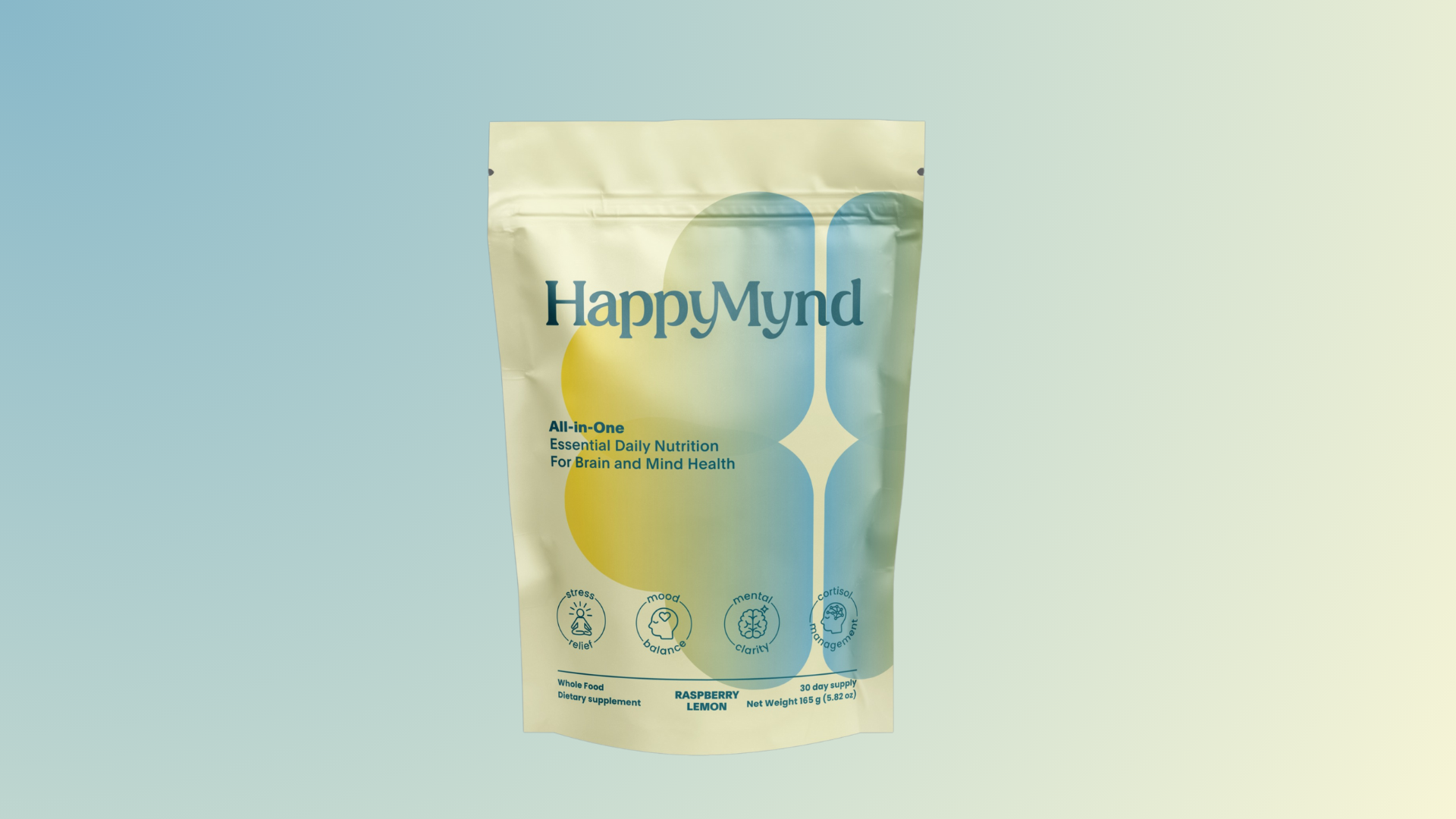
HappyMynd combines Magnesium Glycinate and L-Theanine with a broader adaptogen and nootropic blend in one daily scoop, built for people who'd rather not assemble five different bottles to get the same coverage. If you're weighing a stand-alone L-Theanine supplement against a combination formula, it usually comes down to whether you want to manage each ingredient separately or prefer one consistent daily habit.
Either way, the fundamentals matter more than the format: a real dose on the label, a form your body actually absorbs well, and a lifestyle around it that includes decent sleep, regular movement, and food that isn't working against you. No supplement, including a well-formulated L-Theanine supplement, replaces that foundation. It just supports it.
Your brain is your superpower
Now you can take better care of it.