Most of us start our mornings with coffee on autopilot. That is, we drink it not because we really want to, but because “otherwise we can’t wake up.” But over time, this turns into a vicious cycle: caffeine gives you a boost, then a crash, then more coffee. And at night, you still can’t sleep properly.
Unfortunately, we’ve been there ourselves. So we started wondering: what if we could do without it? It turns out that energy without caffeine isn’t about willpower, but about the right habits and tools. We’re sharing what we’ve learned today: specific strategies, foods, and alternatives that really help you stay focused all day.
What Wakes You Up Without Caffeine?
First, what wakes you up is really a signal. Your body wakes up through light, movement, and water, not through a cup of Americano.
Morning sunlight is one of the most powerful regulators of alertness. Just 5-10 minutes outside or by an open window right after waking up kickstarts cortisol production at the right level, that very morning spike that nature designed to replace an alarm clock.
Add to that a glass of water (your body gets slightly dehydrated overnight, which can cause fatigue on its own) and a light walk or a couple of minutes of stretching. This routine provides energy without caffeine, drops, pills, or thermoses. It sounds simple, but that’s exactly why people ignore it. And that’s a shame.
How to Get Energy Without Caffeine Throughout the Day
The hardest part is the mid-afternoon slump, usually around 2-4 p.m. Here’s how to get energy without caffeine right at that time:
-
First, breathing. It sounds cliché, but a few cycles of deep breathing (inhale for a count of 4, hold for 4, exhale for 6) literally transform your state in a minute.
-
Second, movement. Stand up, walk around, do 10 squats. Blood flows to the brain, and the fog clears.
-
Third, fresh air. Even 5 minutes outside relieves accumulated fatigue better than an espresso.
These are natural ways to wake up. Plus, they don’t disrupt your sleep at night, unlike a second or third cup of coffee in the afternoon.
Things to Eat to Stay Awake and Focused
Food affects your focus more than you might think. The main rule is to maintain stable blood sugar levels. A sharp spike after eating something sweet always ends with an equally sharp crash. That’s why things to eat to stay awake aren’t chocolate bars, but rather:
-
Protein (eggs, nuts, Greek yogurt) are foods that keep you full for a long time without causing spikes.
-
Complex carbohydrates (oatmeal, whole-grain bread, brown rice) are foods that release energy slowly.
-
Fruits with a low glycemic index (berries, apples, pears) provide vitamins plus fiber.
-
Water, even 1-2% dehydration reduces concentration.
Snacking every 3-4 hours in small portions works better than three huge meals with long gaps in between.
Caffeine Alternatives for Alertness and Focus
If you want something to drink, there are good options. Caffeine alternatives for alertness and focus that actually work:
-
Green tea contains L-theanine along with a small amount of caffeine. The effect is gentler and more consistent, without any spikes.
-
Ginkgo and rhodiola are adaptogens that improve blood flow to the brain and reduce mental fatigue.
-
Mint tea, which refreshes and boosts concentration through its aroma and taste.
-
Water with lemon is the simplest way to perk up in the morning.
That’s exactly why how to stay awake without caffeine isn’t about endurance, but about substitution. Instead of coffee, choose something that supports the nervous system rather than overloading it.
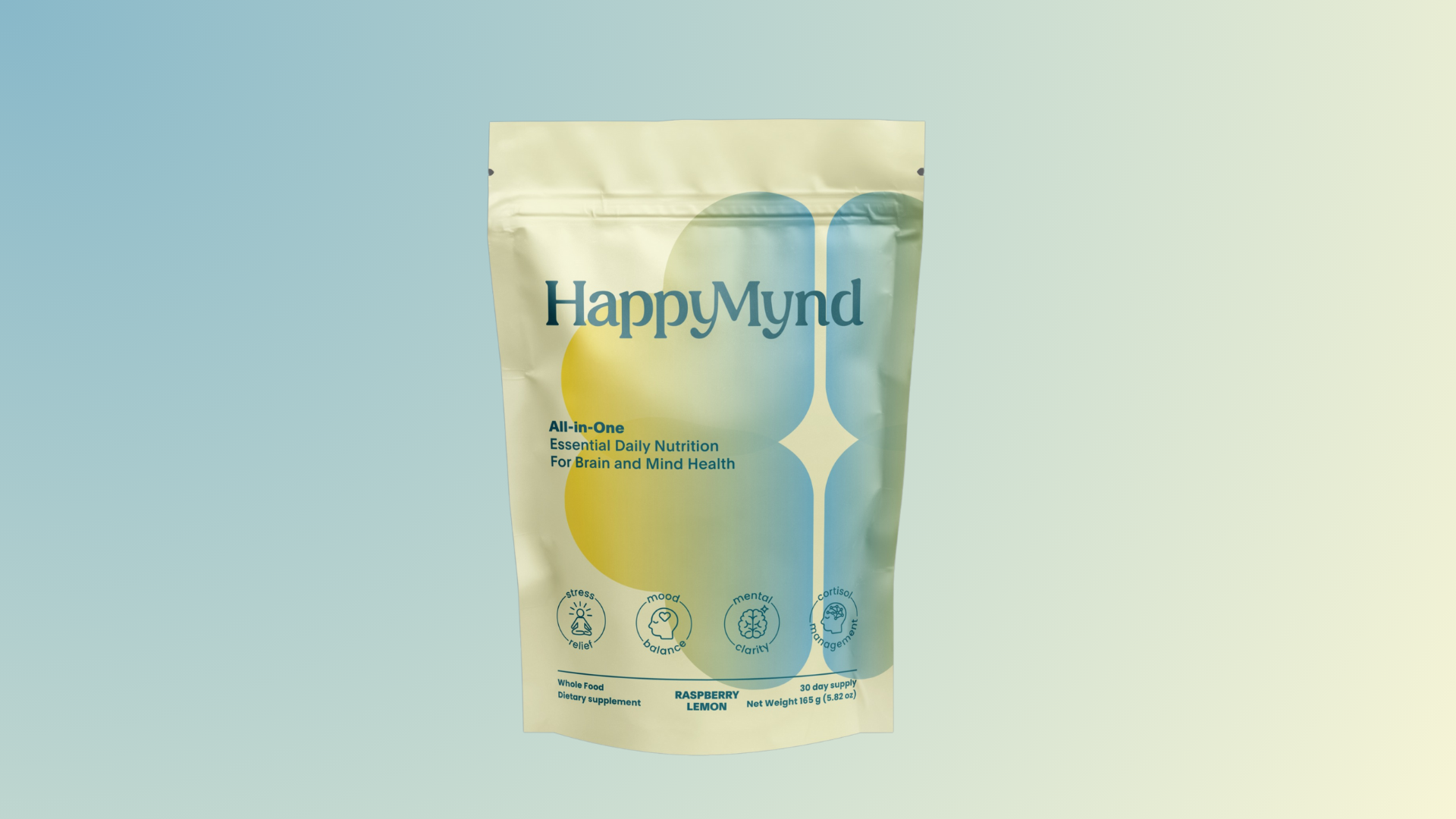
By the way, if you want support from the inside, try HappyMynd every morning with breakfast. It’s a natural formula based on KSM-66 ashwagandha, rhodiola, L-theanine, and magnesium, exactly the ingredients that help your brain function smoothly, without crashes and without caffeine. One glass in the morning, and your focus stays steady in a whole new way.