How Long Do Vitamins Stay in Your System?
Last updated: April 24, 2026
When we first thought about how long vitamins stay in your system, we expected a simple answer like "24 hours" or "a week." But it turned out to be more interesting than that. Vitamins behave differently in the body - some leave with your morning coffee, others stay for months.
It all depends on the type of vitamin. Water-soluble vitamins (such as C and B vitamins) do their job quickly and leave. Fat-soluble vitamins (D, A, E, K) tend to accumulate and act as a long-term investment in health. Dosage also plays a role - have you taken a megadose of vitamin C? The body will take what it needs and excrete the rest.
There are also questions that everyone has: how long does it take for vitamins to work? Can you take all your vitamins at once? And in general, how long are vitamins good for after opening the bottle? It's time to figure out the nuances.
How Long Does It Take for Vitamins to Work After You Start Taking Them?
Imagine that you started taking vitamin D in the winter. In fact, it will be in your bloodstream within a couple of hours after consumption. But will you feel a surge of energy that same evening? There is a 90% chance that you will not (we leave 10% for the margin of error of self-suggestion that you have more energy). In reality, for you to feel real changes in your mood or sleep quality, your body first needs to make up for any deficiencies and accumulate enough vitamins in the body. This usually takes 2 weeks to 1.5 months.
That is, how long does it take for vitamins to work, directly depends on your "starting capital":
-
With a small deficiency, your energy will return fairly quickly.
-
With severe resource depletion (for example, anemia), months of disciplined intake will be required.
Some nutrients work like "first aid." Vitamins B12 or C can give you a noticeable energy boost in just a couple of days. But in general, nutrition is a marathon, not a sprint. The main rule here is consistency. The body loves predictability, so missing a week of intake negates many of your efforts.
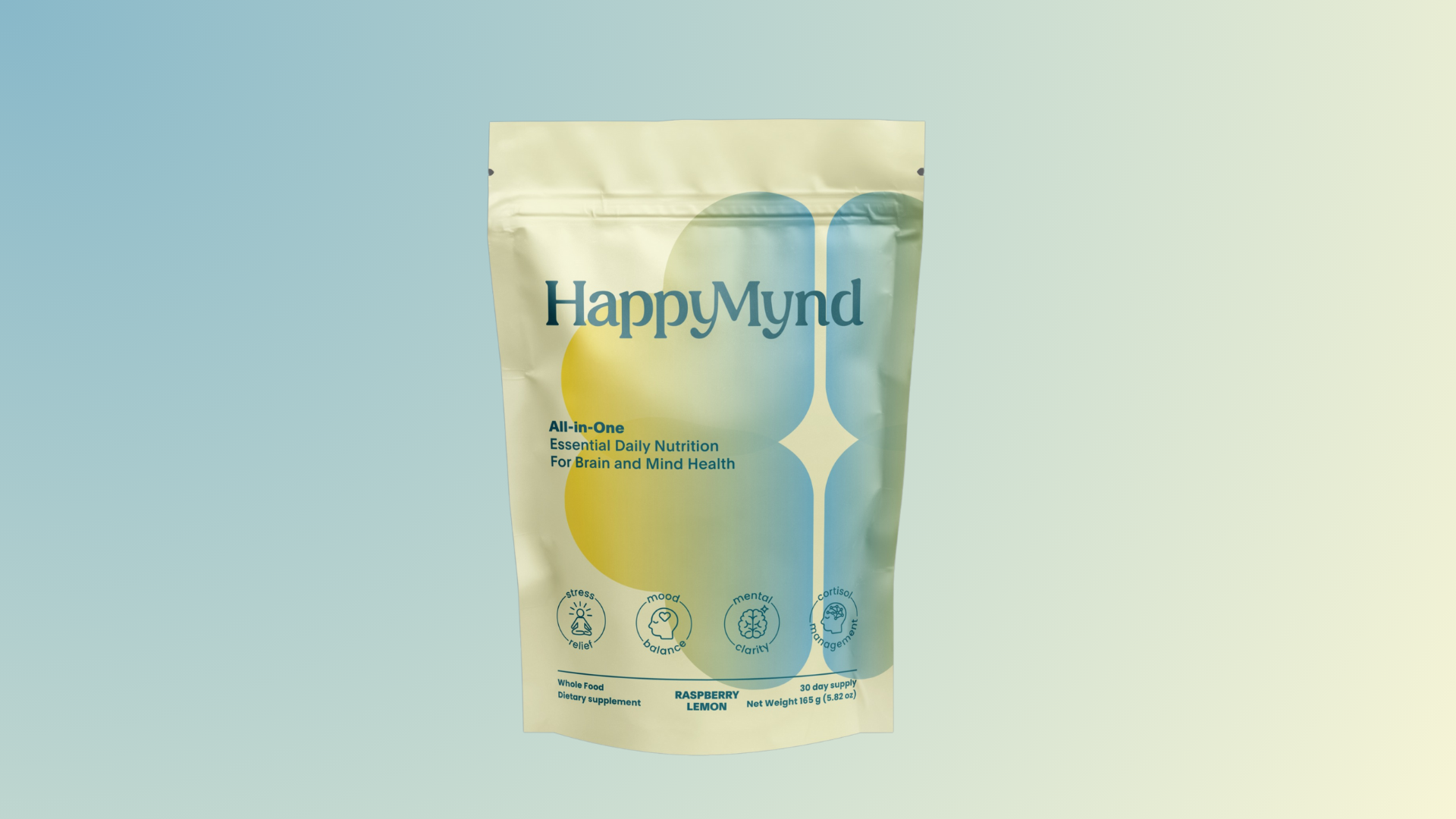
If you find it difficult to discipline yourself and swallow handfuls of capsules, consider modern solutions. Happy Mynd, for instance, is a functional product that makes taking care enjoyable. It has a well-balanced combination of adaptogens, magnesium, and B vitamins that gently support the nervous system without requiring you to follow a timetable for taking twelve separate medications.
Fast-Acting Vitamins vs Long-Term Build-Up Supplements
To better understand the mechanics of the process, let's divide all supplements according to their "temperament":
-
Fast-Acting (water-soluble): These include vitamin C and the entire B group (B6, B12, folic acid). They are absorbed instantly, perform their task (energy metabolism and vascular support), and then leave the chat. That is why their supply needs to be replenished daily. You can feel their effect on concentration on the day of intake.
-
Long-Acting (fat-soluble): Vitamins D, A, E, and K. They settle in the liver and fatty tissue. This allows them to maintain a stable level of health for weeks. If you actively took vitamin D all winter, the accumulated resources are enough for a sunny spring, even if you take a break. This trick won't work with vitamin C - a week-long break from citrus fruits and supplements will quickly bring your levels back to the baseline minimum.
What Affects How Fast Vitamins Start Working in Your Body
The rate of absorption and overall effectiveness are influenced by a whole range of factors that we often forget about:
-
Gastrointestinal tract condition. If the intestines are inflamed or bile flow is impaired, even the most expensive supplements will pass through "in transit."
-
Lifestyle. Caffeine, nicotine, and alcohol are the main enemies of absorption. They either destroy vitamins as soon as they enter the body or accelerate their elimination.
-
Regularity. Taking a double dose once does not mean helping the body. The body absorbs nutrients in portions.

How Long Does Vitamin C Stay in Your System?
Vitamin C does not stay in the body for long. How long does vitamin C stay in your system? A couple of hours, and it leaves your body.
This vitamin C enters the bloodstream, functions as an antioxidant, strengthens the immune system, aids in the production of collagen, and is subsequently eliminated by the kidneys. For this reason, the duration of vitamin C in your body is expressed in hours rather than days. An orange consumed in the morning will peak in your bloodstream within two to three hours. There won't be much left in your body by the evening.
Our honest recommendation: there is no point in swallowing 2000 mg once a week. The body will not absorb more than it needs right now anyway. 100-200 mg every day is enough for most people. And if you take more than a thousand at a time, some of it will not be absorbed. But even worse, the excess will give you an unpleasant stomachache.
How Long Does Vitamin D Stay in Your System and Why Does It Last Longer
The situation with the "sunshine" vitamin is fundamentally different. If you ask how long vitamin D stays in your system, the answer is weeks.
After entering the body, vitamin D undergoes complex transformations in the liver and kidneys, ultimately forming an active hormone-like form. But its excesses are reliably preserved.
-
The half-life of vitamin D is 15-30 days.
-
Even after you stop taking it, its level in the blood will decrease very gradually.
-
Complete depletion of accumulated reserves in the absence of sunlight and supplements can take up to 2-3 months.
However, this is no reason for complacency. Because how long does vitamin D stay in your system is so long, there is a risk of overdose (hypervitaminosis), which is dangerous for the kidneys and blood vessels. Therefore, it is better to select the dosage based on tests. To maintain balance without risk, it is convenient to use functional drinks such as Happy Mynd, which are calibrated for safe daily consumption.
Many people ask themselves: how long does vitamin D stay in your system after a vacation at the sea? Usually, the "sun charge" lasts 4-6 weeks, after which the level begins to drop again, especially at higher latitudes.
Can I Take All My Vitamins at Once, and How Long Are Vitamins Good For?
It is often tempting to drink everything at once so as not to forget. But can I take all my vitamins at once? Answer: Yes, you can, but the effectiveness will suffer.
There are classic antagonists:
-
Iron and calcium block each other.
-
Zinc interferes with the absorption of copper.
-
Magnesium and calcium are best taken at different times (for example, calcium in the morning, magnesium in the evening).
If you take a multivitamin complex, the manufacturer has typically already used specialized release methods to resolve the compatibility issue. However, it is preferable to split the intake into morning and evening portions if you are creating your own routine.
It is also important to remember how long vitamins remain effective. Vitamins are not rocks; they are subject to oxidation and decay.
-
A closed jar can usually be stored for 2-3 years.
-
Once opened, the shelf life is reduced; it is advisable to use the supplement within 6-12 months.
-
Liquid forms (oils, syrups) are the most capricious - they can spoil in a couple of months, especially if they are exposed to moisture or light.
There is a universal answer to the question of how long vitamins are good for: they work effectively until the date indicated by the manufacturer on the label. This is provided that you have not stored them on a windowsill in direct sunlight or in a bathroom, where it is constantly humid.
Happy Mynd undergoes strict control at every stage of production. This ensures that with every sip, you get exactly the stated concentration of beneficial substances, without any loss during storage.
Ultimately, a clear understanding of how long vitamins are good for and how they work eliminates unnecessary doubts. Vitamins are not a magic wand, but a high-quality “toolkit” for tuning your biological system. Take proper care of yourself, and your body will reward you with vitality and a strong immune system.
Your brain is your superpower
Now you can take better care of it.