How Chronic Stress Accelerates Aging (And What to Do)
Last updated: April 28, 2026
Everyone knows how people often say that they feel like they’ve aged beyond their years after having gone through a tough year. Without doubt, when one feels stressed, they start aging, which means that they get more wrinkles on their face, gray and thinning hair, and dull-looking skin. So, does stress age you, or does stress make you age faster? The honest answer is yes, and the science behind it is more concrete than most people realize.
We bet that you were always wondering whether stress accelerates aging or not, and what happens when stress affects you. Let’s figure it out now, starting with understanding whether stress aging exists.
Why Does Stress Age You? The Science Explained
Why does stress age you? To answer the question of whether stress causes premature aging, we need to clarify the term itself. Stress aging is defined as the acceleration of aging processes, both external and internal, in response to the adverse effects of psychological stress. The signs of biological aging appear earlier than usual due to increased stress levels.
As you may understand, there is no way you will remain young and healthy forever - sooner or later, your organism will experience negative changes caused by aging. However, it is worth doing everything possible to extend your healthy lifespan as much as possible. We are sure that knowing how stress accelerates aging, you will want to avoid its adverse impact.
In this post, you will learn:
-
Why does stress cause aging;
-
Whether stress makes your skin age faster;
-
What changes in your body during aging from stress;
-
What changes happen to you physically;
-
Can stress aging be reversed;
-
And how to reduce stress and prevent aging in the future.
Does Stress Make You Age Faster Internally?
Why does stress make you age faster? If you’re curious about how stress affects aging and whether stress accelerates aging, the answer is pretty simple. To explain it, we will start with three primary mechanisms that cause premature aging.
First, let’s talk about hormones. When under chronic stress, cortisol is released by the HPA axis regularly. This stress hormone can have beneficial effects for you in case of short-term exposure. Yet, cortisol remains dangerous and harmful if it keeps affecting your body for days, weeks, months, and years. For example, this hormone leads to reduced collagen production, decreased immunity, higher blood sugar, and impaired sleep architecture.
Second, stress causes systemic low-grade inflammation, also known as inflammaging. As a result, you start experiencing negative effects on your blood vessels, joints, skin, and brain. These factors can be considered precursors to premature aging.
Lastly, stress contributes to oxidative damage in your cells and tissues. The thing is that stress causes increased amounts of free radicals in your body. At the same time, antioxidant capacity decreases gradually. As a consequence, mitochondrial functions become weakened, telomeres shorten, and cells undergo aging.
So, stress impacts aging through three factors. They include high cortisol levels, inflammation, and oxidative stress. As a result, you’ll experience premature aging in several years, even if you don’t think you look much older than you used to be.
Does Stress Make You Look Older? Visible Signs
In the previous section, we told you about the effects of stress on aging on the biological level, so it’s time to consider how your body changes under its influence. First of all, you’re probably wondering: “Does stress make you look older?” Let’s talk about this now.
The effect of stress on aging is quite obvious when it comes to the following systems:
-
Immune system. Increased levels of cortisol impair your immune functions negatively. You’ll have problems with wound healing, will get sick more often, and your reactions to infections will become slower.
-
Cardiovascular system. Chronic stress will make your arteries older as it increases blood pressure and reduces the elasticity of your arteries.
-
Brain and nervous system. Sustained cortisol causes your hippocampus to shrink, and your amygdala gets overactivated. As a consequence, you start experiencing memory impairment and emotional exhaustion.
-
Endocrine system. Chronic stress can be considered a significant stressor that impairs the normal functioning of your glands. The thyroid, adrenals, and reproductive glands get damaged gradually over time.
The mentioned changes in different systems can be described as the biological effects of stress on aging. They contribute to premature aging in the long-term perspective.

Stress Aging Before and After: What Changes Over Time
We decided to pay extra attention to the effects of stress aging on your physical state because most people are concerned about how stress ages your skin. The following section will help you to understand why your body experiences stress aging symptoms.
Of course, the primary target of premature aging caused by stress is your skin. Due to increased cortisol levels, skin aging becomes inevitable. Moreover, you can see other stress aging symptoms if you look closely at your body.
Here are the major symptoms of stress aging that people observe every day:
-
Skin. Cortisol breaks down collagen and elastin, causing you to get deep wrinkles and lose smooth skin. Your skin becomes thinner and more sensitive to the outside environment due to increased permeability.
-
Hair. Chronic stress affects hair follicles’ ability to retain moisture, which results in hair loss. Your hair may change its natural color and acquire gray tones.
-
Eye area. You can observe stress aging symptoms in the eye areas. For instance, you may get dark circles, swelling of eyelids, and bags under the eyes.
-
Face area. You’ll get loose facial muscles and will experience the problem of premature wrinkles.
It goes without saying that stress accelerates aging dramatically. Your skin will age faster in comparison with your peers who lead an active lifestyle and sleep enough. Thus, it is important to manage stress to delay its symptoms.
Now we will talk about how you could distinguish stress aging before and after photos. In other words, we will describe what happens to your body in a month, in six months, in one year, and in several years in a row. We bet you would love to know the whole truth about stress aging.
The very first sign of stress is increased fatigue and insomnia. Besides, your skin starts aging faster, your hair loses shine, your face becomes pale, and you start experiencing cognitive decline.
After a year or two spent under chronic stress, you will become aware of premature skin aging. Wrinkles will form faster than expected, hair loss will become a common occurrence, and you may experience changes in your metabolic processes (e.g., insulin resistance).
Five or ten years spent under constant stress can significantly affect your body’s aging. First of all, premature skin aging is likely to become obvious. Besides, you may feel depressed or anxious constantly, have cardiovascular diseases, and metabolic disorders.
Can You Reverse Aging from Stress?
This question is of interest for many people as they wonder how stress causes premature aging and if stress aging can be stopped. But don’t worry - you can slow down aging from stress!
Unfortunately, it is impossible to reverse the changes in the body triggered by stress fully. Nevertheless, you should not lose hope because many of them remain reversible after taking care of yourself. Here is the list of the effects that you can reverse after applying the appropriate techniques:
-
Restoration of skin glow;
-
Regulation of cortisol rhythms and sleeping patterns;
-
Increase of energy level;
-
Improvement of cognitive abilities;
-
Normalization of mood states;
-
Normalization of cardiovascular and immune system parameters;
-
Regeneration of hair follicles;
-
Prevention of new wrinkles and restoration of skin structure.
What cannot be reversed:
-
Deep wrinkles, especially in combination with reduced elasticity;
-
Loss of hair pigments (reversible only partially);
-
Changes in telomere length;
-
Changes in the cardiovascular system.
We hope that this list is enough to motivate you to manage your stress levels to preserve the beauty and health of your body.
How to Reduce Stress and Slow Down Aging
So, does stress age you, or does stress make you age faster? You’ve already learned that stress accelerates aging. Now we will talk about how to manage stress and decrease its negative effects on you. Here are the ways to cope with the problem of premature aging due to stress:
-
Sleep. You’d better sleep 7-9 hours at night if you want to maintain the proper hormonal balance. While sleeping, you activate regeneration and protection functions in the body, and your brain removes neurotoxins.
-
Exercise. You can improve your body’s aging by practicing exercises regularly. Walking, running, and strength training - everything helps to regulate stress hormones and promote healthy aging.
-
Nutrition. Healthy eating can help you to manage stress, decrease the risk of premature aging, and increase longevity. Try to eat plant-based products, use antioxidant-rich foods, and avoid ultra-processed foods and alcohol.
-
Breathing techniques. Breathing is a powerful tool that allows you to regulate physiological stress. Practicing this technique is beneficial for controlling aging symptoms.
-
Mindfulness. Learning to relax is a great solution for people who struggle with premature skin aging. Practice mindfulness whenever you have time.
-
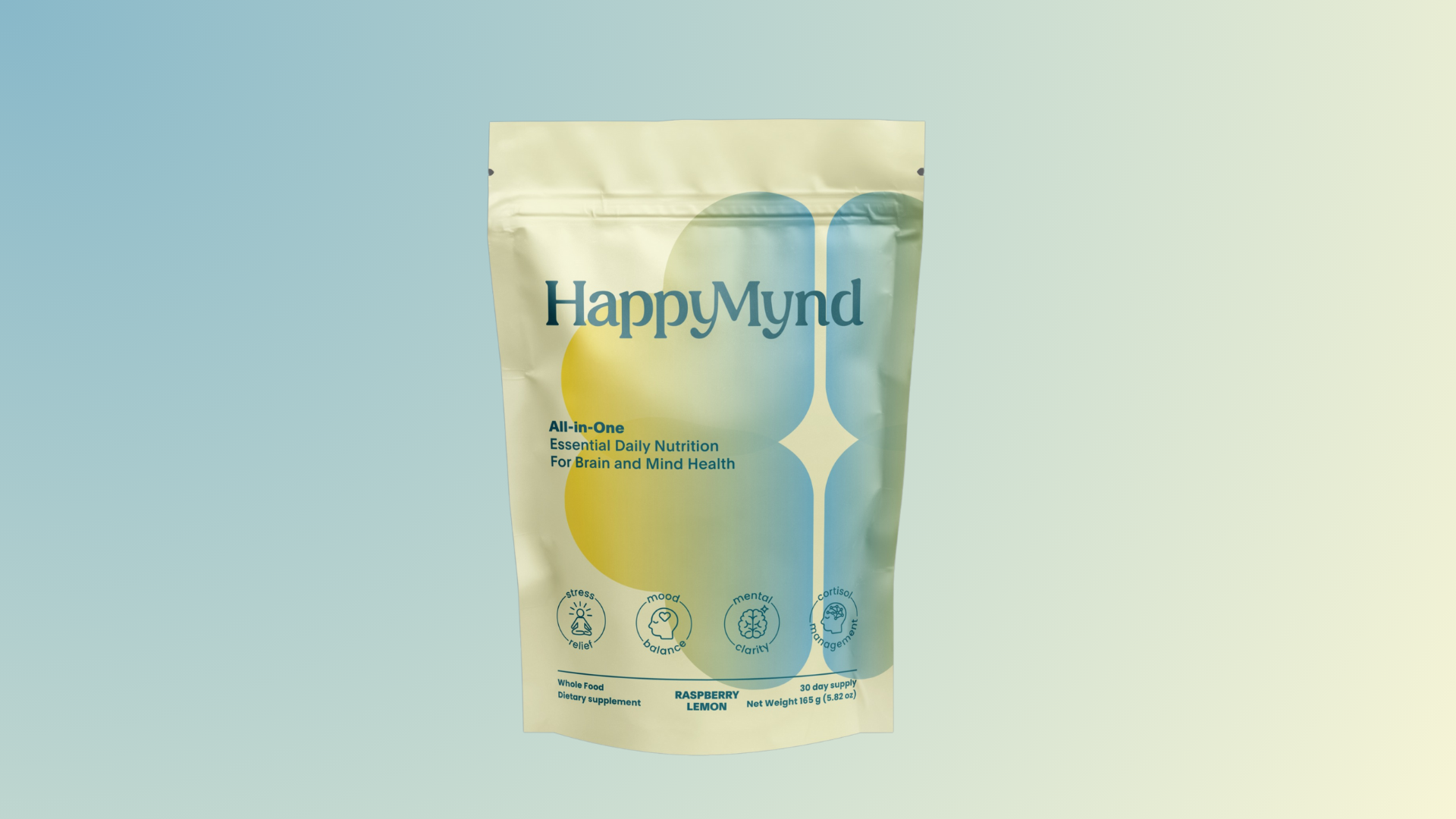
Happy Mynd. Our supplement helps to decrease stress levels effectively due to its ingredients’ soothing properties.
As you can see, managing stress effectively is easier than you might expect. Start using the described practices regularly to delay the effects of stress aging!
Your brain is your superpower
Now you can take better care of it.