Foods That Lower Cortisol: What to Eat and What to Avoid
Last updated: August 3, 2026
Junk food, too much alcohol, caffeine stacked on caffeine by 3 pm: none of these habits are dramatic on their own, but they add up. That’s usually how elevated cortisol sneaks in, quietly, through a hundred small choices rather than one big one, and it’s worth addressing before it turns into something harder to unwind.
Foods that lower cortisol matter more than people usually give them credit for. The right vitamins and minerals genuinely help take the edge off oxidative stress, and none of this requires a complicated diet. It’s really about building a handful of good habits into a normal day.
Cortisol issues are common enough that most people deal with some version of this at one point or another. Sleep, movement, and foods that lower cortisol work together here. None of them fixes the problem alone, but together they move the needle in a real way.
How Food Affects Your Cortisol Levels
Foods that reduce cortisol genuinely earn their reputation. Daily eating habits shape focus, mood, and how well the body bounces back from a hard day. A few mechanisms worth understanding:
-
Sugar swings. A sweet snack sends blood glucose up fast, then it drops just as fast, and that crash itself triggers a stress response.
-
Inflammation. Heavily processed foods tend to push cortisol up, while whole foods rich in antioxidants, fiber, and healthy fats work the opposite direction.
-
Gut health. The gut microbiome talks to the brain more than most people realize, and a healthier bacterial balance supports steadier digestion and mood.
-
Consistency. One good meal barely moves anything. What matters is the pattern over weeks, not a single smart choice.
Foods That Lower Cortisol (What to Eat)
None of this requires rare ingredients. Most of the foods that lower cortisol effectively are sitting in a regular grocery store already:
-
Fatty fish. Salmon, sardines, and mackerel are rich in omega-3s, and this isn’t just a nutrition-blog talking point either. A randomized controlled trial found that twelve weeks of omega-3 supplementation measurably softened the cortisol stress response in healthy men, particularly those already living with high chronic stress.
-
Leafy greens and fiber. Broccoli, lettuce, and beans carry a wide range of nutrients that support the body as a whole.
-
Fermented foods. Sauerkraut and similar foods feed the gut microbiome, and a healthier gut tends to mean a steadier stress response.
-
Berries and citrus. Berries, oranges, and kiwis bring antioxidants and vitamin C, helping protect cells from oxidative stress.
-
Healthy fats. Walnuts, almonds, and avocado round out a diet that keeps energy steady rather than spiky.
-
Complex carbs. Oatmeal, quinoa, and brown rice raise blood sugar slowly, which keeps energy more level through the day.
-
A cup of something calming. A small amount of dark chocolate or green tea brings flavonoids and a bit of L-theanine, both associated with a calmer state.
Variety matters more than chasing one miracle ingredient. No single food does the whole job, but a rotating mix of foods that lower cortisol does more than any one of them ever could alone.

Foods That Raise Cortisol (What to Limit)
Foods that raise cortisol work against everything above, and they’re worth knowing by name rather than vibe:
-
Sugar. Soda, pastries, and white bread spike glucose fast, and that spike-crash cycle is exactly what stresses the system.
-
Too much caffeine. A morning coffee isn’t the villain here. Piling on cup after cup through the day is where sleep and recovery start to suffer.
-
Alcohol. Heavy drinking disrupts natural sleep cycles, and poor sleep keeps the stress system more reactive than it needs to be.
-
Fried and heavily processed foods. Excess oil and processing tend to work against a balanced diet more broadly.
These aren’t foods to fear, just cortisol-triggering foods worth noticing and dialing back. Foods that raise cortisol don’t need to disappear from your life entirely; small, repeated swaps do more over months than any single dramatic change ever will.
A Simple Cortisol Detox Diet Plan (Sample Day)
Worth being upfront here: nobody’s actually detoxing anything. This isn’t a cleanse or a fasting protocol; it’s just a realistic day of eating built around the ingredients above. Think of a cortisol detox diet plan as a template, not a rulebook:
-
Breakfast: Oatmeal with berries, chia seeds, and a spoon of nut butter, paired with green tea.
-
Lunch: Chicken or salmon with lentils and spinach, olive oil and avocado for steadier blood sugar.
-
Snack: Greek yogurt or kefir with walnuts, enough to keep hunger from spiking later.
-
Dinner: A vegetable-forward plate with a lean protein source, skipping the sugary sauces.
This isn’t a strict prescription. It’s a shape you can bend to your own taste and schedule, built around foods that reduce cortisol rather than foods that just sound healthy.
Everyday Habits to Make It Stick
Consistency does more heavy lifting than any single ingredient. A few habits worth building around this cortisol detox diet plan:
-
Drink enough water; it supports focus as much as it supports digestion.
-
Eat on a fairly consistent schedule, since your body adapts better to predictable rhythms than chaotic ones.
-
Pair regular movement with the foods above, since the combination tends to outperform either one alone.
None of this replaces a conversation with a nutritionist if something feels off. Consider it general information, not a personal plan.
The Easy Add-On: HappyMynd
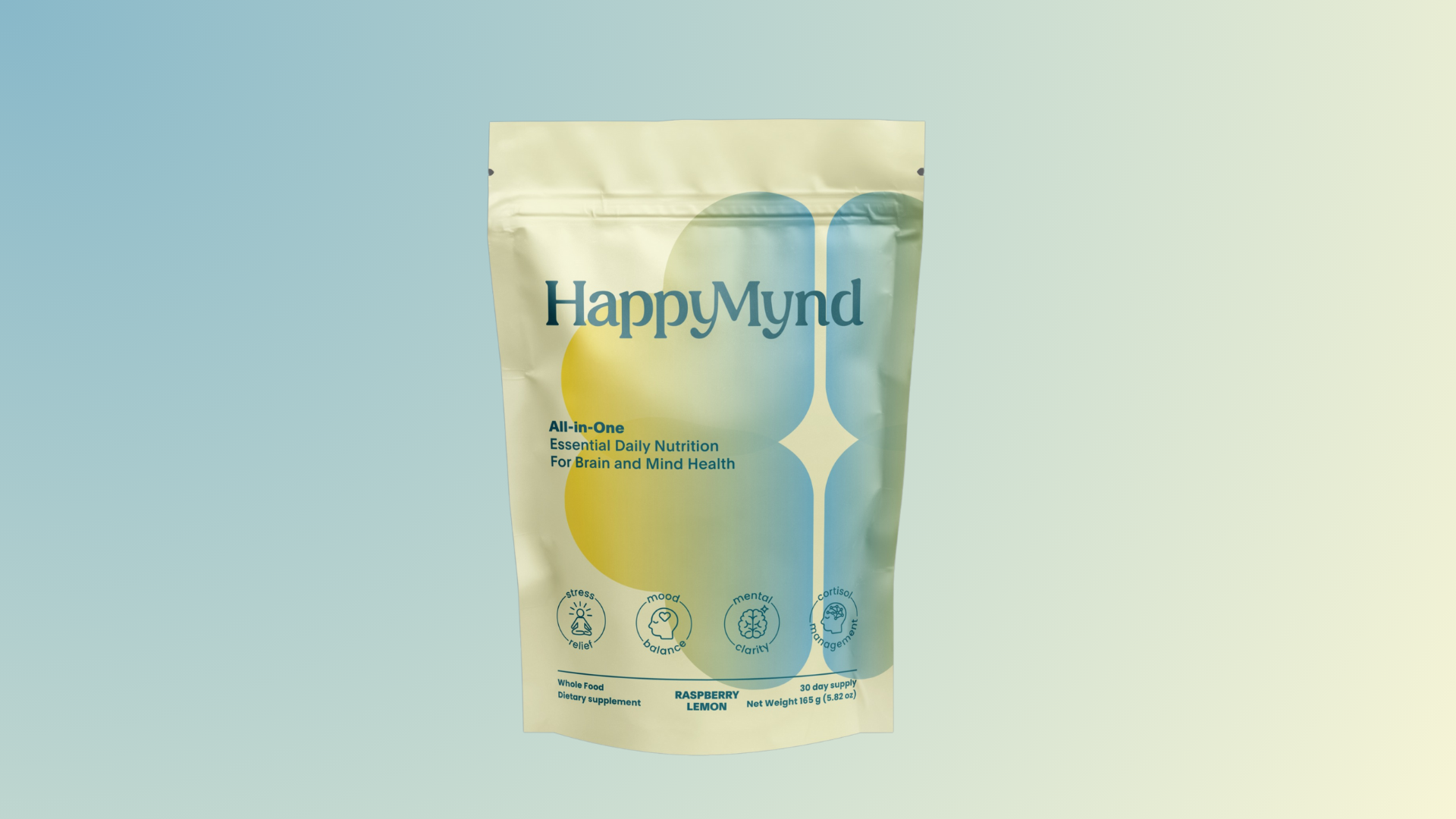
Diet does most of the heavy lifting here, and that’s not marketing talk; it’s just true. But for people who want an extra layer of support alongside better eating, HappyMynd is built as exactly that: an addition, not a replacement.
It’s a daily scoop of adaptogens designed to work alongside real food choices, not instead of them. The honest advice stands either way: cut back on cortisol-triggering foods, lean into foods that reduce cortisol naturally, and treat supplements as the last five percent rather than the foundation. If allergies or existing health conditions are part of your picture, that’s a conversation for a doctor before adding anything new, supplements included.
Good food, consistent sleep, and regular movement remain the real foundation. Everything else, HappyMynd included, is just support built on top of that.
Your brain is your superpower
Now you can take better care of it.