Cortisol Detox: Is It Real or Just a Trend?
Last updated: April 24, 2026
Over the past few years, the word "detox" has been applied to just about everything. First it was juices, then the gut, and now hormones. Posts periodically pop up on social media feeds claiming that a cortisol detox is a way to lose weight, improve sleep, and stop worrying. It sounds tempting, especially when you're exhausted and willing to try anything.
But here's the thing: science tells a very different story. Hormones aren't a drain you can unclog in a week. Chronic stress is indeed a serious problem, and the fact that lowering cortisol through a healthy lifestyle works is a medical fact. The conflict arises when companies start selling products with the promise of a "complete reset in seven days." To avoid wasting money on fancy labels, it's helpful to understand how cortisol actually works.
What Is a Cortisol Detox?
If you type this query into a search engine, you'll get a variety of answers. Some describe it as a three-day protocol; others stretch it out over a month. But the general idea is the same: a specific period during which a person changes their diet, cuts out caffeine, possibly takes supplements, and tries to reduce stress levels. The goal is to "flush out" excess stress hormones and return the body to a calm state.
The problem is that there is no medical definition for this term. Doctors do not "detoxify" hormones the way it's described online. The liver and kidneys are constantly detoxifying without our involvement. When people talk about what a cortisol detox is from a physiological standpoint, it's just a fancy name for a set of lifestyle changes.
The difference between marketing and reality is very noticeable here. Marketing says, "reset your cortisol in a week." Reality says that, gradually, eliminating sources of stress, and the body will begin to balance itself. The name sounds scientific, but in essence, it's just stress management - only with a trendier label. True hormonal health is built on consistency, not on a two-week program that you'll have forgotten by the end of the month.
Does Cortisol Really Need a Detox?
First, let's clear up a common misconception: cortisol isn't the enemy. It's a necessary hormone - without it, you simply wouldn't get out of bed. It regulates blood pressure, controls the sleep-wake cycle, and helps the body utilize proteins, fats, and carbohydrates. High levels in the morning are normal - that's exactly what gives you energy for the first half of the day.
Does the body literally need a cortisol detox? No. The body doesn't accumulate cortisol as a toxin that needs to be flushed out. Chronic stress is a different matter - it's when hormone levels don't drop in the evening and remain high for too long. That's the real problem, and that's what you should be addressing.
Instead of a temporary "flush" of hormones, it makes sense to focus on lowering cortisol through long-term habits. The body reduces cortisol production not when you drink a special beverage, but when the brain receives a signal of safety. Regular sleep, moderate exercise, less caffeine, and more breaks throughout the day - that is the real mechanism. Not a detox, but a change in the environment in which the nervous system operates.
Cortisol Detox Diet: Fact or Fiction?
Since cortisol levels are influenced by nutrition, the concept of a cortisol detox diet has some credibility. Sugar, alcohol, and excessive caffeine should be eliminated, and complete foods, healthy fats, and vegetables high in magnesium should be added. These diets' proponents assert that some foods directly reduce blood levels of the stress hormone.
There is some truth to this. Excess sugar causes glucose spikes, which, in turn, trigger a stress response in the body. Caffeine in large amounts mimics a state of anxiety and keeps cortisol elevated longer than necessary. But to say that any specific food "detoxifies" the hormone is going too far.
Simple principles work better than a strict protocol. Protein and fiber at every meal mean stable blood sugar and fewer energy dips, which themselves trigger cortisol release. Drink enough water, because the body perceives dehydration as a form of physical stress. Omega-3s from fish and seeds support brain health and reduce inflammatory responses associated with chronic stress.
There is no such thing as an "anti-cortisol smoothie" that will fix the consequences of three years of overwork. Diet affects the stress response gradually and in conjunction with the rest of your lifestyle, not as some kind of standalone magic.
Natural Ways to Lower Cortisol
If you look into which ways to lower cortisol actually work, the list is quite ordinary. No secrets, just things everyone knows but few consistently practice.
Sleep is first on the list and the most influential factor. When you don't get enough sleep, cortisol remains high the next day - this is a direct physiological connection, not a metaphor. Allowing seven to nine hours for the hormone level to drop to its normal nighttime low means the body behaves differently the entire next day.
Physical activity helps, but there's a caveat. Very intense workouts without sufficient recovery temporarily raise cortisol levels rather than lowering them. For stress management, moderate exercise - walking, yoga, swimming, light strength training - works better than exhausting workouts every day.
Breathing exercises and meditation affect the nervous system quite literally: they switch it from "fight or flight" mode to "rest and recover" mode. Five minutes of slow breathing lowers heart rate, as shown by multiple studies. Spending time in nature reduces stress markers. Talking to someone close to you changes your perception of the situation.
All of these are effective ways to lower cortisol that require neither a program nor a special set of products. They only require consistency, which is the main problem for most people.
Are Cortisol Detox Supplements Effective?
The market for supplements labeled “for lowering cortisol” is large and continues to grow. Most of these products contain adaptogens - ashwagandha, rhodiola, and holy basil. People often report subjective improvements, and there is indeed research on some of these ingredients. But it’s important to understand: this is support, not a “reset” or a quick fix.
No cortisol detox supplement can override the impact of your lifestyle. Taking ashwagandha while sleeping only five hours a night, working without days off, and eating haphazardly isn’t a strategy - it’s just a waste of money. Supplements act as a booster where the foundation is already in place: normal sleep, at least moderate activity, and a diet free of constant sugar and caffeine.
Quality and composition are a separate issue. Many products on the market contain ingredients in dosages that look impressive on the label but are too small to have a real effect. Some manufacturers add trendy names just for show. Before spending money, it’s worth looking not at the product’s name, but at exactly what’s inside and in what quantities.
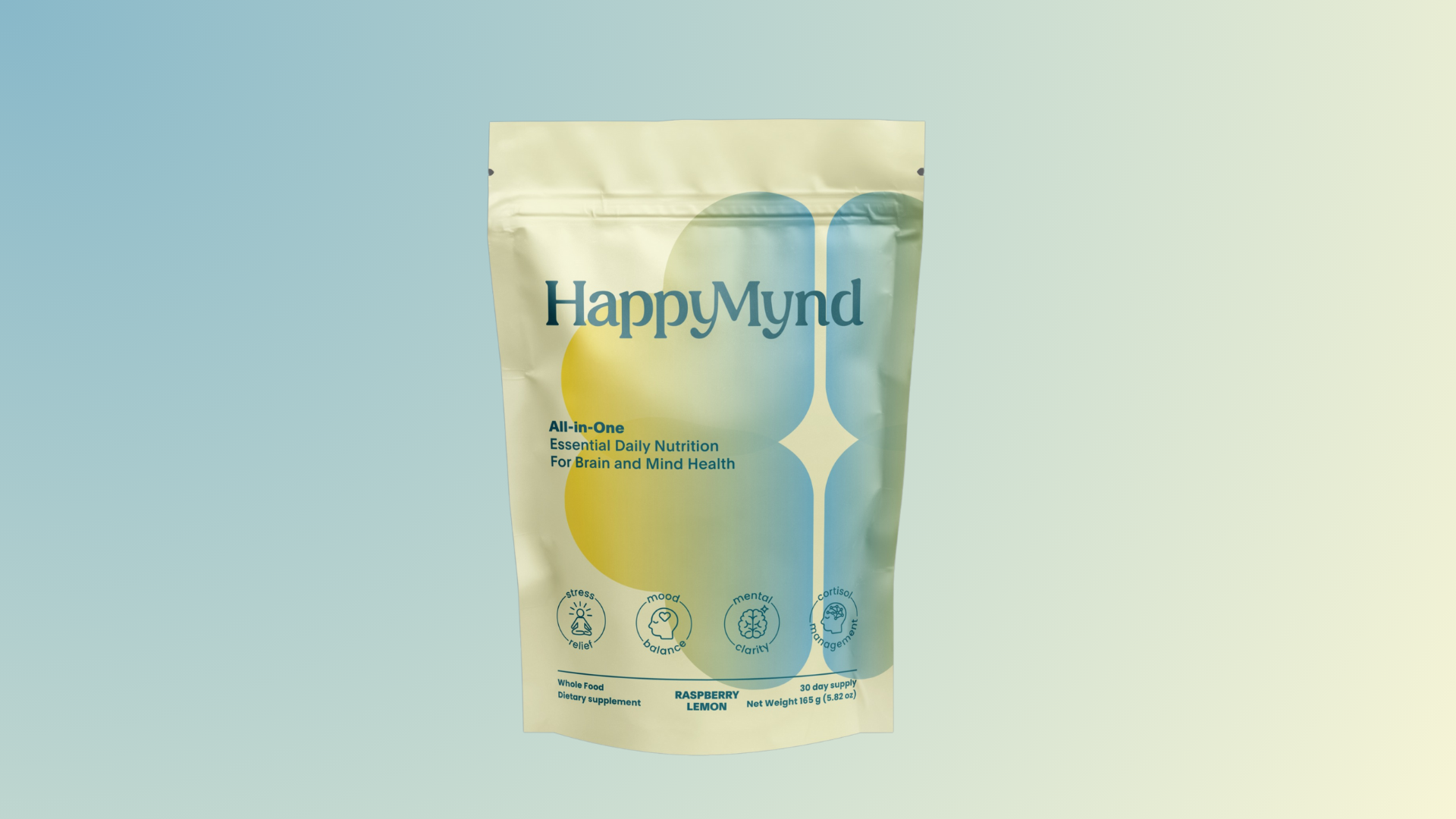
Speaking of a specific option - HappyMynd is made with exactly this logic in mind. Each is included in a dosage backed by research, not just added for the label. No fillers, all-natural ingredients, and independent testing. The product is vegan-friendly, gluten-free, and doesn’t cause drowsiness or dependency - you can take it in the morning and go about your day as usual. Just one scoop in water or a smoothie - no need to juggle multiple bottles. More details about the ingredients can be found on the website. A subscription option with a discount and free shipping is also available there.

Should You Try a Cortisol Detox?
Honest answer: If a specific program suggests eating normal food, getting more sleep, and spending less time on your phone, it will likely work. Not because it's a detox, but because it's just common sense.
The real work of lowering cortisol happens through small daily decisions. Put your phone on silent an hour before bed. Go for a walk at lunchtime instead of sitting at the computer. Don't bring work tasks home on the weekends. Eat a proper meal instead of grabbing a quick snack on the go. All of this works longer and more reliably than any seven-day program.
Individual results always vary. For some, simply cutting out coffee after lunch is enough, and their sleep improves within two weeks. For others, dealing with chronic stress requires a deeper approach - with the help of a psychologist or significant changes to their work routine. It's important to keep expectations realistic: the hormonal system responds to gentle, gradual changes, not to drastic two-week experiments that revert everything to the way it was.
The term "Cortisol detox" is mostly marketing. But the intention behind it is sound: to reduce background stress and restore the body's balance. The path to that goal takes longer than a week - and is simpler than an expensive set of products ordered online.
Your brain is your superpower
Now you can take better care of it.