Cortisol Awakening Response: Why You Wake Up Anxious at 3 AM
Last updated: August 3, 2026
You wake up anxious in the middle of the night because your body triggers an early stress hormone surge known as the cortisol awakening response.
It happens fast. It’s 3 AM, your heart is pounding, your mind is racing, and going back to sleep feels completely out of reach. The culprit isn’t just in your head, because it’s a real, measurable biological process.
Here’s what’s ahead: what this response actually is, why it hits so hard at 3 AM, and a few daily habits that tend to calm it down. Later, we’ll also look at an easier, all-in-one option for anyone serious about steadying stress and cortisol for good.
What Is the Cortisol Awakening Response?
Let’s define this plainly. The cortisol awakening response, often shortened to CAR in the research world, is a natural surge of stress hormones in the first 30 to 45 minutes after you open your eyes. That timing isn’t a rough guess; studies tracking cortisol in saliva right after waking consistently find the surge peaking in that same window, which suggests it’s a built-in part of how the body starts the day rather than a random glitch.
In a healthy system, this spike does real work. It lifts your alertness. It mobilizes your energy stores. It’s basically your body’s way of saying “go time,” helping you feel ready to wake up in the morning and move through the day ahead instead of dragging through it.
But there’s a twist. Sometimes this chemical surge gets oversized or badly timed, and when that happens, your natural wake-up signal stops feeling like fresh energy. It feels like sudden anxiety instead. Your brain reads the signal as fight-or-flight rather than “start the day.” Understanding that shift is the first step toward getting your nights back. It’s just biology trying to do its job, a little too eagerly.
Why You Keep Waking Up at 3 AM
If you’re stuck wondering why you keep waking up at 3 AM, look at the normal timing of your stress hormones. Cortisol naturally starts climbing in the early hours to prepare your body for the day ahead, and the steepest part of that climb often lands right around 2 to 3 AM, exactly when your sleep is at its lightest.
A few common things can sharpen that early spike:
-
Dipping blood sugar overnight.
-
A body clock that’s fallen out of sync with your actual schedule.
-
Unresolved stress from earlier in the day, still sitting in your system.
There’s research backing up that stress connection, too. Work on the CAR has found that people with more negative experiences the day before, or heavier anticipation of a hard day ahead, tend to show a stronger awakening surge the next morning. Yesterday’s stress doesn’t just disappear when you close your eyes; it can show up again the moment your body gears up to wake.
So if you’re typing “why do I wake up at 3 AM” into a search bar at 3 AM itself, the phone glowing in the dark, you’re not imagining it, and you’re definitely not the only one doing it tonight.
High Cortisol in the Morning and Early Anxiety
Let’s talk about how this actually feels. It often starts with racing thoughts before your eyes are even fully open. A tight chest. Sometimes just a low hum of dread that doesn’t have a clear source. Often, a wired-but-exhausted sensation that shows up long before your alarm does.
This points directly to high cortisol in the morning, the same thing so many people are really asking about when they type why do I wake up at 3 AM into a search bar. There’s a well-documented link between ongoing daily stress and poor sleep quality. When you’re carrying stress all day, your body keeps its internal stress dial turned up, and that dial doesn’t fully reset overnight, so it pushes too much cortisol into your system way too early.
Worth keeping in mind: having an elevated stress hormone response at dawn is incredibly common, and it’s also measurable and responsive to your daily habits. It’s not some fixed trait you’re stuck with forever. Small, consistent changes tend to guide the body back toward a steadier rhythm.

The Pineal Gland, Melatonin, and Your Body Clock
To understand your sleep, it helps to picture a seesaw. Pineal gland hormones like melatonin rise at night to help you sleep deeply, while cortisol rises toward morning to wake you up. These two are meant to trade off smoothly, like a relay handoff that happens while you’re unconscious.
So what throws that handoff off balance? Light is a big one, especially late at night. Researchers looking at evening light exposure have found that short bursts of white, blue, red, or green light tend to push cortisol secretion up compared to staying in dim light, with blue light producing the strongest effect. That’s the exact wavelength pouring out of your phone screen at 11 PM. Irregular sleep times blur the handoff further, pushing your stress wave earlier into the night than it should be.
Resetting your light exposure and sleep timing helps realign that internal clock. Get the clock back on track, and the morning surge tends to arrive when it’s supposed to, instead of ambushing you at 3 AM.
How to Lower Morning Cortisol Naturally
Now for the practical part. A few things tend to help:
-
Get bright daylight in your eyes soon after waking, ideally within the first hour.
-
Keep a consistent sleep and wake schedule, even on weekends.
-
Dim the lights and step away from screens in the evening, well before bed.
-
Try slow breathing or a short meditation if you find yourself wide awake at 3 AM.
-
Cut back on late-afternoon caffeine and evening alcohol, both of which can amplify the early hormone surge.
-
Balance your evening meal, and consider a small, protein-rich snack before bed to soften the overnight blood sugar dip that often triggers the spike in the first place.
None of these are complicated. They’re just consistent. That’s really the core of how to lower morning cortisol effectively: not one dramatic fix, but a handful of boring, repeatable habits stacked together.
Do them long enough, and the payoff is real. You start to wake up in the morning feeling steadier, instead of catching racing, anxious thoughts before your feet even hit the floor. Getting a handle on high cortisol in the morning naturally also means reclaiming energy for the things that actually matter during your day, instead of spending your first hour just trying to calm down.
The Easier Upgrade: HappyMynd, Your Daily Cortisol Reset
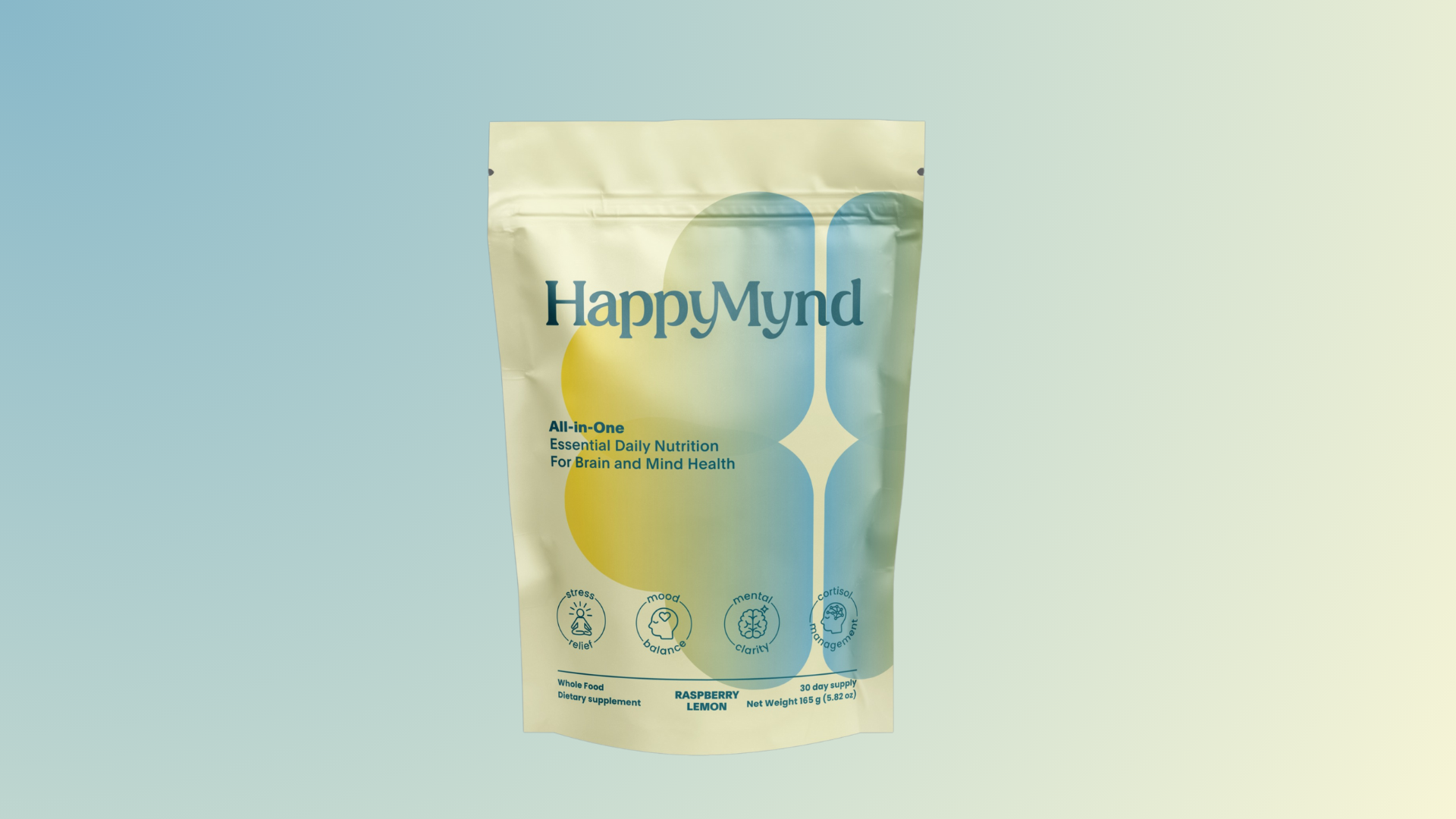
If building all these new habits at once feels like a lot, there’s a simpler layer to add on top. HappyMynd is a daily option built for exactly this kind of pattern: one scoop of adaptogens and nootropics stirred into water. The formula leans on a blend that targets high cortisol in the morning and the stress that feeds it:
-
Ashwagandha KSM-66.
-
Rhodiola.
-
L-Theanine.
-
Magnesium Glycinate.
-
Holy Basil.
-
Saffron.
-
Bacopa.
It’s caffeine-free and won’t leave you drowsy. Light raspberry lemon taste, no added sugar. One scoop replaces what would otherwise be roughly a $240 supplement stack, for $65 a month.
This ties back to the same goal as everything above: steadier daily stress, and a cortisol awakening response that smooths out over time instead of ambushing you at 3 AM. It’s one of the more straightforward ways to work on how to lower morning cortisol without overhauling your entire evening routine overnight. There’s a 30-day money-back guarantee, plus Subscribe and Save pricing and free shipping. Trade the restless 3 AM nights for something calmer, and give that cortisol awakening response a reason to settle down.
Your brain is your superpower
Now you can take better care of it.