Cortisol and Hair Loss: Is Stress Making You Lose More Hair?
Last updated: April 24, 2026
Remember that moment when you look at your comb after brushing your hair in the morning, and it hits you? Just yesterday everything seemed fine, but today there’s a whole clump on your pillow. First thought: something’s wrong. Second: maybe I’m just being paranoid.
But, unfortunately, no. If you’re experiencing stress or have gone through it a few months ago, the link between that and the condition of your hair is very real indeed. Millions of people ask therapists, trichologists, and Google the question “why am I losing so much hair,” and more often than not, the answer isn’t bad shampoo.
Stress, depression, hormonal fluctuations - all of these are on the list of causes of hair loss, which, for some reason, we don’t usually talk about openly. We’re used to thinking that hair falls out “due to age” or “genetics.” But our bodies are more complex than that. And cortisol-related hair loss isn’t just a figment of anxious people’s imaginations - it’s a well-documented phenomenon.
What Causes Hair Loss? Common Medical and Lifestyle Factors
Unfortunately, there is no one-size-fits-all answer to the question of hair loss. And that is probably the most important thing to understand. What causes hair loss in a specific case is always your personal story. Sometimes obvious, sometimes complicated. The most common causes look something like this:
-
genetics (yes, it really does play a role, especially in men);
-
hormonal imbalances - thyroid issues, polycystic ovary syndrome, postpartum period;
-
deficiencies in iron, zinc, and vitamin D, especially if your diet is unbalanced;
-
certain medications and chronic illnesses;
-
stress - and this is where things get interesting.
There is a condition called telogen effluvium. It sounds a bit scary, but the idea is simple: under the influence of stress or illness, hair follicles go into “hibernation” en masse. After the acute phase is over, everything falls out at once. People are frequently taken aback because, although the tension seems to have subsided a few months ago, the hair loss has only recently begun. It's just a delayed effect that appears two to three months later; it's not a coincidence.
The question of whether high cortisol can cause hair loss is entirely relevant in this context. And the answer is yes, it can. But more on that later.
You should see a doctor if hair loss lasts longer than six months, if noticeable bald spots have appeared, or if hair is falling out evenly all over your head and doesn’t stop. This is no longer “just stress”; you need to figure out exactly what the problem is with a specialist.
Does Stress Cause Hair Loss? The Role of Cortisol
Does stress cause hair loss is perhaps one of those questions you want to answer briefly and honestly: yes, and quite significantly.
When a person lives under chronic stress (not a one-time “passed the exam and breathed a sigh of relief” kind, but specifically prolonged stress), the adrenal glands work themselves to the bone. They constantly release cortisol. At first, this is a normal survival response. But if this continues for months, cortisol can literally disrupt the processes that should be running in the background of the body. And this affects hair growth, among other things.
The mechanism of cortisol hair loss works roughly like this: high cortisol “shuts down” the follicles prematurely, putting them into a resting phase. Blood flow to the scalp deteriorates. Other hormones necessary for growth are suppressed. Plus, chronic inflammation (another side effect of stress) further damages the hair follicles.
The most frustrating part is that this happens imperceptibly. That is, you don’t feel any pain, and you don’t get any warning signs. You just notice at some point that you have less hair (and it’s visible on your comb, especially if you have long hair).
But here’s what’s important to know: in most cases, this is reversible. When stress levels decrease and cortisol returns to normal, the hair cycle gradually recovers. This usually takes several months. It doesn’t happen immediately, but it does happen.

Can Depression Cause Hair Loss? Mental Health and Hair Changes
Depression isn’t “just a bad mood that will pass on its own.” It is a condition that physically alters how the body functions. Sleep is disrupted, appetite changes, immunity weakens, and hormonal balance also shifts significantly for the worse. Therefore, the question of whether depression can cause hair loss is not as strange as it seems.
Several factors simultaneously affect hair during depression:
-
First, cortisol. During depression, cortisol levels are often chronically elevated, which is linked to a disruption in the hypothalamic-pituitary axis.
-
Second, diet. When a person lacks the energy or desire to cook, they eat less, eat poorly, or barely eat at all. But hair needs iron, zinc, and protein, and if these are lacking, the hair is the first to suffer.
-
Third, sleep. Restorative processes occur at night, including in the hair follicles. Chronic sleep deprivation simply destroys them.
All of this falls under the causes of hair loss related to mental health. And it’s important to understand this, because then it becomes clear: treatment isn’t just about the scalp in the literal sense.
How to Reduce Stress-Related Hair Loss
So, if you’ve caught yourself thinking “why am I losing so much hair” again, here’s what actually works.
Lifestyle changes:
-
Sleep. Seriously, get at least 7 hours of sleep. Not “when you can,” but as a priority. Follicle regeneration happens at night.
-
Exercise. Moderate physical activity lowers cortisol better than many pills. You don’t need to run a marathon or do an obstacle course. Just walking, swimming - anything regular.
-
Food. Make sure your diet includes enough protein, iron, and zinc. If your diet is lacking, your hair won’t return to normal.
For the nervous system:
-
Breathing exercises, meditation, or simply quiet time without your phone - this isn’t esoteric; it’s a real way to lower cortisol.
-
Adaptogens - such as ashwagandha and rhodiola - help the body adapt to stress.
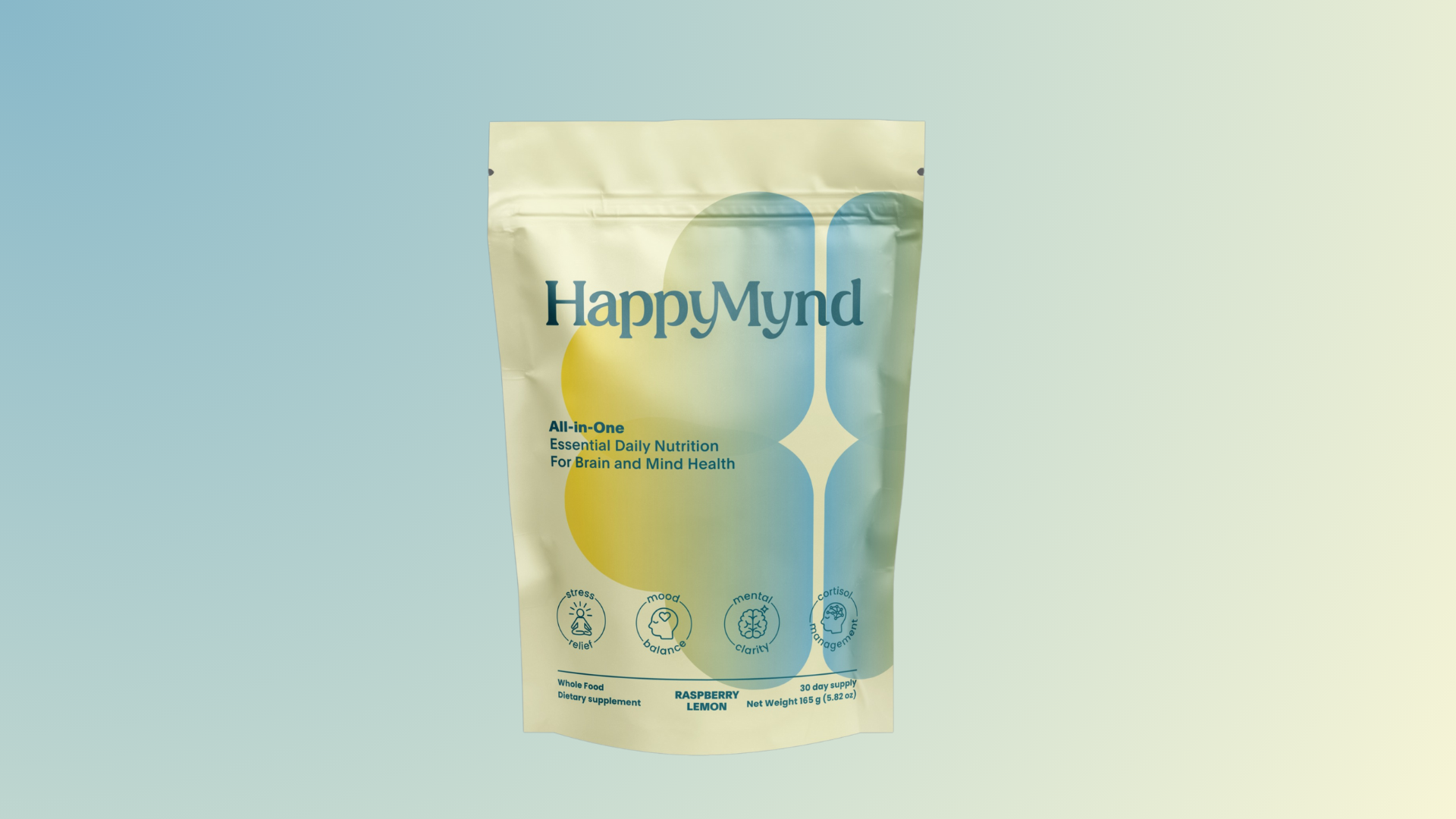
But even with a balanced diet, the body under chronic stress depletes its resources faster than usual. This is where additional support can help - for example, HappyMynd. This is a natural formula containing ingredients that directly target cortisol and the nervous system: KSM-66 ashwagandha, Rhodiola, L-theanine, and magnesium glycinate. This isn’t just another “hair vitamin,” but a complex that tackles the root cause - the stress itself, which triggers everything else. Just one serving in the morning makes a noticeable difference in how your body handles stress throughout the day.
If 4-6 months have passed since your stress levels decreased and your hair is still actively falling out, don’t wait - see a doctor. A trichologist, an endocrinologist, a complete blood count, and thyroid hormone tests are a good place to start.
Your hair honestly reflects what’s going on inside. And if something is wrong with it, more often than not, it’s not about the hair itself, but about the entire body.
Your brain is your superpower
Now you can take better care of it.