Cold Showers for Stress: Do They Really Help?
Last updated: June 30, 2026
Lately, search queries like “cold shower for stress” have been popping up more and more often online. But did you know this isn’t a new trend? Cold showers were already being practiced back in the 19th century, and today everyone is talking about them: biohackers, athletes, and people who simply want to feel better.
Many say that cold showers have changed their lives, while others view them skeptically, dismissing them as just another trend from Instagram and TikTok. We’ve been asking ourselves this question for a long time: Is there real science behind it, or is it all just a placebo effect? We’ve found some answers and results, and we’re ready to share with you what actually happens to your body when you turn on the cold water, whether it helps with stress, and whether it’s even worth trying.
What Do Cold Showers Do to Your Body?
The first few seconds under cold water are a bit of a shock. Your body reacts instantly: your breathing quickens, your heart beats faster, and you get goosebumps. But what do cold showers do on a physiological level to trigger this reaction? They trigger a short-term stress response: a surge of adrenaline and norepinephrine.
It sounds scary, but this is where things get interesting. This controlled “cold stress” causes your blood vessels to constrict and then dilate, thereby boosting blood circulation. Your brain receives an alarm signal, but you’re alive, healthy, and standing in the shower. Over time, your body learns to cope with this more quickly.
At the same time, your concentration improves. Many people notice that after a cold shower, they think more clearly and feel more alert than after two cups of coffee. This isn’t magic, it’s the nervous system adapting. The body gets used to these controlled “shocks” and starts to respond to them more effectively. Exercise works in much the same way: there’s stress, but it trains you rather than destroying you.
Do Cold Showers Help With Stress?
The short answer: yes, but not in the way you might think. Do cold showers help with stress? Not in the sense that you step underwater and your stress just vanishes. The mechanism is different.
Cold water activates the sympathetic nervous system - the one responsible for the “fight-or-flight” response. The paradox is that regular exposure to cold gradually trains this system. The body learns to return to a calm state more quickly after arousal. Essentially, you’re training your stress resilience every day, just like a muscle.
Some small studies show decreased cortisol levels after cold exposure and improved mood due to increased endorphins. But to be honest, the evidence base isn’t very extensive yet. Most of the data is based on small samples or subjective reports. We’re not telling you this is a cure-all. But the mechanism works, and the effect is real for many people - though you shouldn’t expect miracles after just one week of practice.
Speaking of cortisol. If you notice that your stress has become chronic, a cold shower will help, but it might not be enough. Sometimes your body needs support from within.
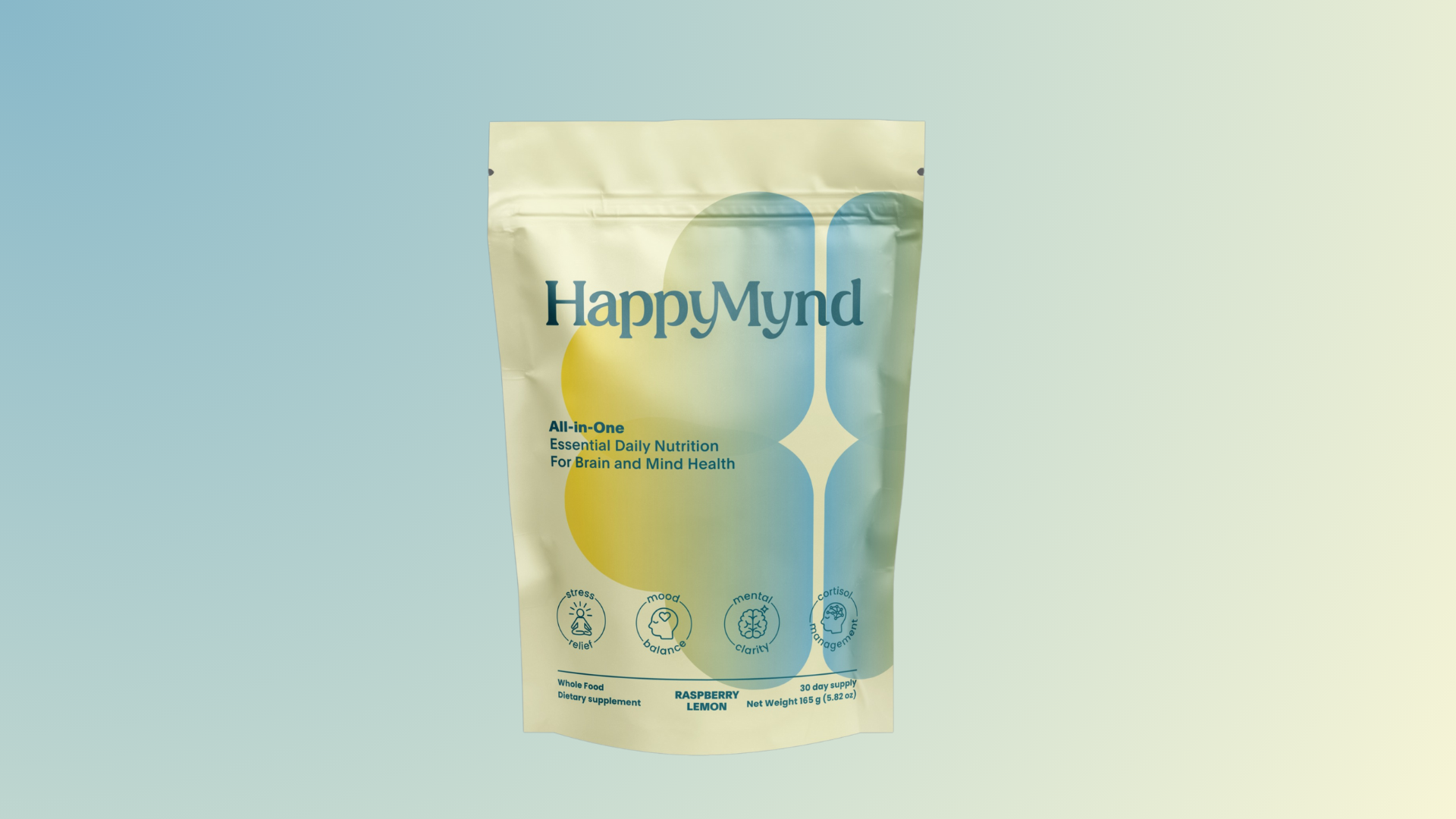
So why not give your body the full support it needs to cope with stress? HappyMynd is a natural formula based on clinically dosed adaptogens that specifically helps lower cortisol and support the nervous system. It’s not a replacement for a healthy lifestyle, but a smart addition to it.
Key Cold Shower Benefits
 So, here are the main cold shower benefits supported by both science and practical experience:
-
Mood boost. Cold water stimulates the release of norepinephrine and endorphins. Many describe this as a feeling of mild euphoria after a shower, and it’s not just a placebo effect.
-
Alertness and concentration. If you have a hard time “getting going” in the morning, a cold shower works better than an alarm clock. Your brain literally wakes up.
-
A sense of control. One of the underrated cold shower benefits is psychological. When you do something uncomfortable every morning and manage to get through it, it boosts your self-esteem and discipline in other areas of life. A small victory first thing in the morning.
-
Supports recovery. Athletes have long used colds to reduce muscle inflammation. A full ice bath is more effective, but a contrast shower also helps.
Realistic expectation: all of this works with consistency. Doing it once is just an experiment. Doing it every day becomes a habit that changes your physiology.
Hot or Cold Shower for Stress?
The question isn’t as simple as it seems. A hot or cold shower for stress depends on the type of stress and what you need right now.
A hot shower relaxes your muscles, relieves physical tension, and calms your nervous system. If you’ve come home after a hard day and feel literally “tight,” hot water will help you release that physical tension. It works well in the evening.
A cold shower works the opposite way. It doesn’t relax you immediately; it resets you. If you’re anxious, going over the same thoughts in a loop, and can’t concentrate, the cold “knocks” you out of that cycle. Your brain shifts its focus to the physical sensation, breaking out of the cycle of anxious thinking.
Our advice: Choose a cold shower in the morning. In the evening, if you need to calm down, opt for a warm shower or a contrast shower (ending with cold if you want to maintain a slight sense of alertness).
What Happens If You Take a Cold Shower Every Day?
What happens if you take a cold shower every day with regular practice? Your body’s stress response to the cold gradually lessens as it adapts. Many people notice improvements in sleep, mood, and energy levels after 2-4 weeks.
⚠️ If you have cardiovascular issues, don’t experiment. A sudden cold puts a strain on the heart. If in doubt, it’s best to consult a doctor.
If you want to enhance the effect, try combining a morning cold shower with HappyMynd. One serving a day contains ashwagandha, rhodiola, L-theanine, and magnesium in clinically proven doses, and these are exactly the ingredients that help your nervous system recover and cope with stress more easily throughout the day. It works as a system: the cold trains your response, while the adaptogens support recovery.
Your brain is your superpower
Now you can take better care of it.