Can You Take Magnesium After Drinking Alcohol? What to Know
Last updated: April 24, 2026
It’s a familiar scenario: the evening went great, you’re already home, but one thought keeps ringing in your head - “What’s going to happen to me tomorrow?” At that moment, your hand reaches for the medicine cabinet, and that very piece of advice from social media about the miraculous magnesium pops into your mind. And then doubt sets in: can you take magnesium after drinking alcohol? Does it actually help, or is it just a way to put even more strain on your already overwhelmed body?
In reality, people hope that magnesium will save them from the “shakes,” wild anxiety (that very “hangover”), and help keep their heart from leaping out of their chest. It’s not exactly a myth, but it’s not a cure-all either.
Want to know if magnesium and alcohol are really connected? When does the supplement actually help, and when might it send you on a “thrilling journey” to the bathroom due to an upset stomach? Let’s sort out all the details right now.
Magnesium and Alcohol: How They Interact in the Body
Alcohol acts like a powerful pump that flushes out everything good from our bodies. You’ve probably noticed that after a couple of drinks, you find yourself running to the bathroom much more often. And the problem is that along with the excess fluid, electrolytes are also flushed out. This is where the catch lies with the combination of magnesium and alcohol: alcohol forces your kidneys to literally “flush out” your magnesium reserves at an accelerated rate.
Why is this bad? Without magnesium, cells can’t relax properly. This leads to those unpleasant leg cramps and the feeling that your nerves are taut as strings. But it’s important to understand: magnesium cannot break down alcohol. If you’re hoping it will magically eliminate your hangover or cleanse your liver - alas, it doesn’t work that way.
What’s more, there’s a catch when it comes to digestion. Alcohol already irritates the mucous membranes, and magnesium (especially in the form of citrate) has a laxative effect. If you take a massive dose right after a party, your morning might start much more “lively” than you planned - but not in the way you’d hope. Magnesium is a great “support system” for recovery, but you need to take it wisely, not by the handful in the hope of a miracle.

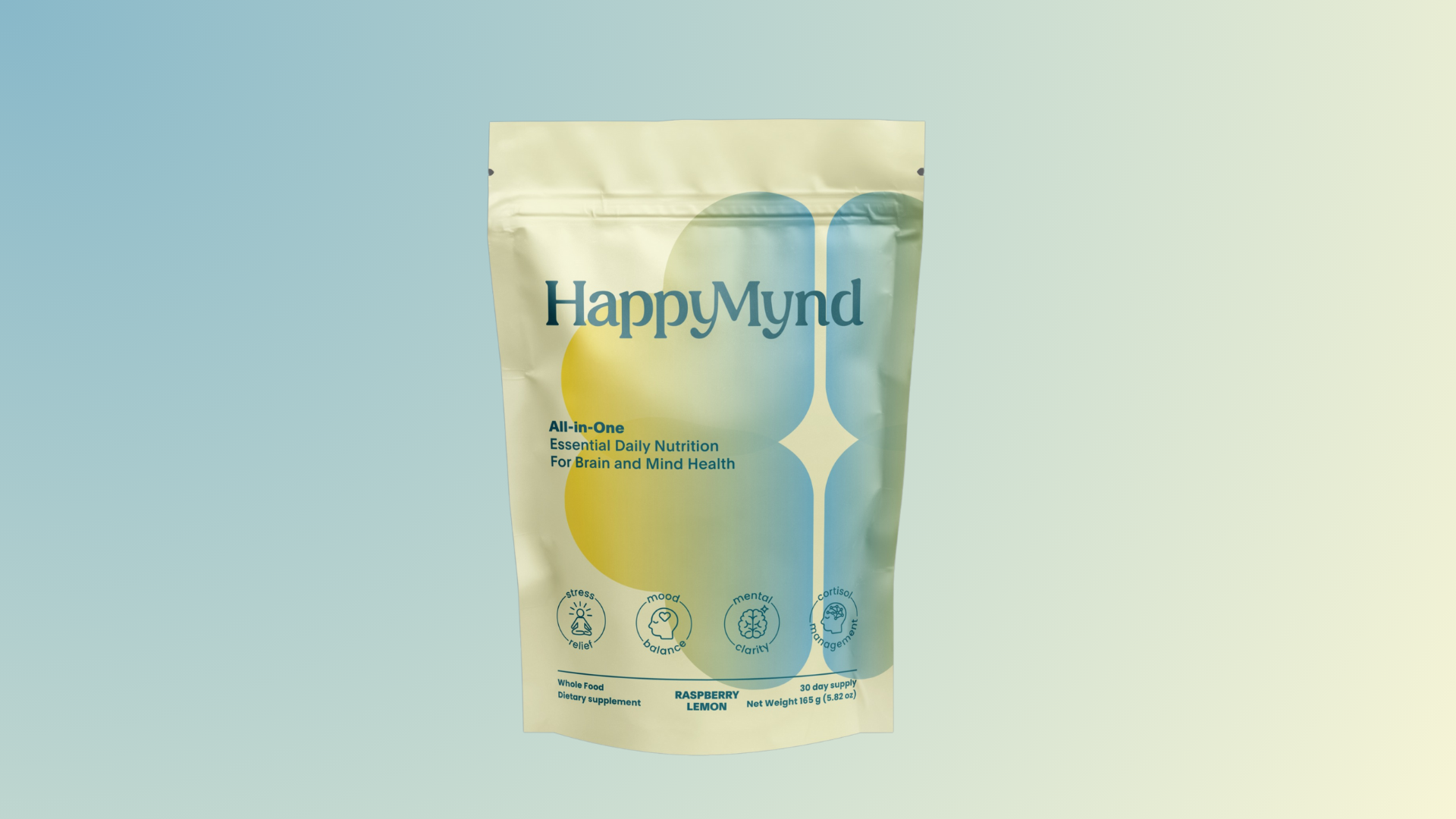
A lot of us reach for supplements after drinking. Products like Happy Mynd have become popular precisely because they contain functional elements designed to support recovery. Taking vitamins and minerals post-alcohol seems logical enough. Magnesium fits into this category, but let's be clear about what it can and cannot do. It won't eliminate your hangover instantly. Your liver still needs time to process everything. The toxic byproducts of alcohol metabolism don't just disappear because you took a supplement.
Different types of alcohol affect this differently, too. Beer, for instance, acts as a diuretic - you're running to the WC constantly, losing minerals. Wine brings its own complications, triggering vascular reactions that magnesium only partially addresses. The strength of these interactions depends heavily on volume and your individual physiology. What we're dealing with here is:
-
Alcohol systematically depletes our magnesium stores.
-
Magnesium can help support nervous system recovery.
-
How much you drank determines the severity of depletion.
-
Magnesium assists recovery but isn't a standalone cure.
Can You Take Magnesium After Drinking Alcohol? The Short Safety Answer
So can you take magnesium after drinking alcohol? For most healthy adults, yes, magnesium after drinking is generally safe when used appropriately. But "safe" doesn't mean "always a good idea" or "risk-free in every situation."
The form of magnesium matters quite a bit here. Magnesium citrate tends to have a laxative effect - not ideal when your stomach is already upset. Glycinate is gentler, easier on digestion. Oxide has poor absorption, so you're not getting much benefit anyway. Push the dose too high, and you're looking at diarrhea, nausea, feeling weak, and potentially dangerous drops in blood pressure.
Here's when it's typically okay:
-
You had a moderate amount to drink, nothing excessive.
-
You don't have kidney problems (this is crucial - damaged kidneys can't clear excess magnesium properly).
-
You're not on medications that interact with magnesium supplementation.
-
You're sticking to standard recommended doses, not megadosing in hopes of faster relief.
Now, for when you should definitely skip it. Magnesium after drinking isn't appropriate during heavy intoxication. If you're actively vomiting, severely dehydrated, dealing with heart issues, or kidney disease - leave the magnesium alone. These situations require medical attention, not DIY supplementation. We've developed products and resources specifically to help with these scenarios, but knowing your limits is essential. For otherwise healthy people at moderate consumption levels, the risks are minimal. Chronic health conditions change this equation entirely. Magnesium and alcohol don't mix well when your body is already compromised. Common sense and moderation matter more than any supplement.
Magnesium After Drinking: Best Timing and Dosage Basics
Timing and dosage aren't something to wing. Take magnesium with plenty of water - dehydration can make any possible side effects worse. Having some food (low-fat food) helps, especially if your stomach tends to be sensitive. Empty stomach? Bad idea, particularly after drinking. Start with minimal doses. Don't assume more equals better or faster results. Never exceed daily recommended limits, and definitely don't stack multiple forms of magnesium after drinking, thinking you'll accelerate recovery.
When should you actually take it?
-
Evening before bed works well for maintaining stable levels and supporting sleep quality.
-
Morning makes sense if you're dealing with weakness and exhaustion.
-
Waiting several hours after your last drink is generally smarter than taking it immediately.
One thing we can't stress enough: don't take magnesium while actively drinking. That's not how this works. It's not a protective shield. During an intense hangover with severe symptoms - vomiting, extreme dizziness, confusion - skip the supplements entirely and focus on medical help if needed. Magnesium shouldn't be viewed as a license to drink more or irresponsibly. It's a recovery support tool, nothing more. The foundation still requires proper hydration, rest, light nutrition, and gentle movement when you're able. Magnesium and alcohol can coexist in your recovery plan, but magnesium serves as support, not compensation for poor choices or excessive consumption.
Magnesium and Beer: What Changes With Carbonation and Quantity
Let’s be honest: few people view beer as a “serious” alcoholic beverage. It’s just hanging out with friends, a couple of glasses while watching a football game, or pizza on Friday night. But it’s precisely this casual attitude that’s the main catch. We often don’t notice how quickly the third or fourth bottle empties, or how much it throws off our internal balance.

The problem isn’t just the alcohol content. Those bubbles aren’t just a pleasant fizz; carbonation causes alcohol to be absorbed into the bloodstream much faster, which is why intoxication sets in more abruptly. At this point, your body is working overtime to get rid of the excess, literally “flushing” beneficial minerals down the toilet (with your urine).
When it comes to the combination of magnesium and beer, it’s important to understand what’s happening inside:
-
Endless trips to the bathroom. Beer is a powerful diuretic. Along with excess fluid, you rapidly lose potassium and magnesium.
-
Disrupted sleep. Beer disrupts deep sleep phases. You might sleep for 10 hours, but wake up feeling like a truck ran you over.
-
Slow recovery. Your muscles don’t have time to recover, and your brain refuses to function.
Of course, magnesium and beer can coexist in the context of recovery, but don’t expect miracles. Magnesium won’t “undo” what you’ve drunk or erase the effects of a wild night. It will only provide a little support to your body while it tries to recover.
Wine and Magnesium: Does Wine Make a Difference?
Wine behaves differently from beer, and the combination of wine and magnesium has its own distinct profile. Smaller serving sizes, yes, but significantly higher alcohol concentration per glass. The effects hit differently - wine brings histamines and sulfites into the equation, both of which trigger vascular responses. We're talking headaches, flushed face, heart palpitations, and sometimes intense fatigue that makes recovery feel impossible.
Wine's distinguishing factors:
-
Less volume overall, but more alcohol per ounce.
-
Sugar content varies wildly between varieties, adding another complicating factor.
-
Histamines and sulfites strongly affect blood vessels, causing those characteristic wine headaches.
Magnesium helps with nervous system recovery, can ease muscle tension, and reduces fatigue to some degree. But it doesn't touch histamine reactions or sulfite sensitivity. Those vascular responses that cause pain? Magnesium only minimally addresses them. If you're prone to migraines or managing low blood pressure, mixing wine and magnesium requires extra caution. Sensitive stomach? Even more care is needed.
Our recommendations based on experience:
-
Wine typically hits harder than we expect, especially regarding next-day symptoms.
-
Magnesium provides partial relief but won't resolve wine-specific reactions.
-
Many symptoms from wine aren't magnesium-deficiency related at all.
-
Individual responses vary dramatically - what works for your friend might not work for you.
Risks and Side Effects: When Magnesium Can Make Things Worse
There are times when taking magnesium doesn’t cure a hangover - it turns it into a real nightmare. The main problem with the combination of magnesium and alcohol is that it puts a strain on your already irritated stomach.
If you decide to mix, for example, wine with magnesium, be prepared for your digestive system to react. Instead of a peaceful sleep, you risk getting the full set: bloating, nausea, and possibly even diarrhea. As a result, instead of recovering, you lose even more water and energy, feeling much weaker.
There are other unpleasant side effects as well. Alcohol already raises your blood pressure, and magnesium can lower it even further. This leads to severe dizziness, “wobbly” legs, and drowsiness. But there are groups of people who should avoid such experiments altogether:
-
Kidney problems. If your kidneys aren’t functioning at full capacity, magnesium can simply build up to dangerous levels.
-
Blood pressure and heart. Those taking diuretics or dealing with low blood pressure may experience a very unpleasant “rebound.”
-
Drug interactions. If you’re currently taking antibiotics or thyroid medication, be aware - magnesium can completely negate their effects.
When combining wine with magnesium, you should understand that alcohol significantly amplifies all side effects. If you have chronic health issues, it’s best first to get yourself back on track with water and sleep, and return to supplements with a clear head.
Practical Checklist: How to Use Magnesium Responsibly After Drinking
Dealing with magnesium and beer, wine, or liquor requires a thoughtful, systematic approach. We've developed a framework that helps minimize unpleasant symptoms while supporting genuine recovery. But first, know when to skip the DIY approach entirely. Persistent vomiting, severe dizziness that doesn't improve, confusion, fainting - these demand medical attention, not supplements.
Responsible use means treating magnesium as one piece of a larger recovery strategy. Sleep quality and hydration matter more than any pill. Your body needs time - there's no shortcut around that basic biological reality. Supplements assist recovery, they don't replace it. Here's our step-by-step approach for managing magnesium and alcohol:
-
Honest assessment first. Exactly how much did you drink? What symptoms are you experiencing right now? Dizziness, nausea, general weakness - catalog what's actually happening.
-
Address fundamentals. Water, light food (nothing heavy or greasy), and avoid caffeine, which will worsen dehydration.
-
Strategic supplementation. Take magnesium only when severe symptoms have passed, and your stomach feels relatively stable.
-
Monitor carefully. Pay attention to how your body responds. Getting worse instead of better? Stop immediately.
Recovery isn’t just about the morning after a party - it’s about your overall well-being every day. At Happy Mynd, we create products that help your body maintain balance and calm without unnecessary stress. Our supplements offer gentle support for those who value mental clarity and want to feel energized in any situation. With Happy Mynd, you give your body exactly what it needs for a harmonious life.
Your brain is your superpower
Now you can take better care of it.