Best Frequency for Deep Sleep: Enhance Your Sleep Quality
Last updated: April 24, 2026
You know what's most frustrating? When you go to bed tired, your brain starts running through tomorrow's to-do list. It turns out that you want to sleep, but your brain won't let you. Or, for example, when you wake up every hour, even though you slept for eight hours. Modern sleep problems are not just a matter of "drinking chamomile tea"; they are real problems, especially for residents of large cities.
Unfortunately, due to the fast-paced nature of modern life, especially in large cities, sleep problems are becoming increasingly common. People simply can’t relax, and their brains are in "constant work" mode. People are constantly looking for new ways to get some sleep.
Sleep frequency refers to sound frequencies that help the brain transition into a state of true deep rest. These are sounds at specific hertz that influence brain waves and help our nervous system finally relax.
The best frequency for deep sleep is usually low - it synchronizes with the brain’s natural rhythms during rest and literally "persuades" it to slow down. It’s like a lullaby, only it works at the neural level.
How Sleep Frequency Works and Why It Affects Deep Sleep
Okay, it sounds like something out of science fiction: "turn on the sound and sleep like a baby." But in reality, there is simple physics behind it. Our brain works on electrical impulses. These impulses create waves of different frequencies - fast when we are active and slow when we are resting. Sleep frequency is a form of sound waves that "tunes" the brain to the right rhythm. It's like a metronome for a musician, only for your head.
When you listen to certain hertz before bed, your brain begins to synchronize with them. This is called "entrainment." It sounds clever, but the essence is simple: low frequencies slow down brain activity, help turn off internal dialogue, and plunge you into deep sleep.
The best hertz for sleep - usually in the range of 0.5 to 4 Hz (delta waves) or 4-8 Hz (theta waves). These are the frequencies your brain is at when you are in deep sleep or meditating.
Important point: sleep frequency does not make you fall asleep instantly, like a pill. It is a support that helps the body naturally transition into a state of rest. It works gently but steadily, especially when used regularly.
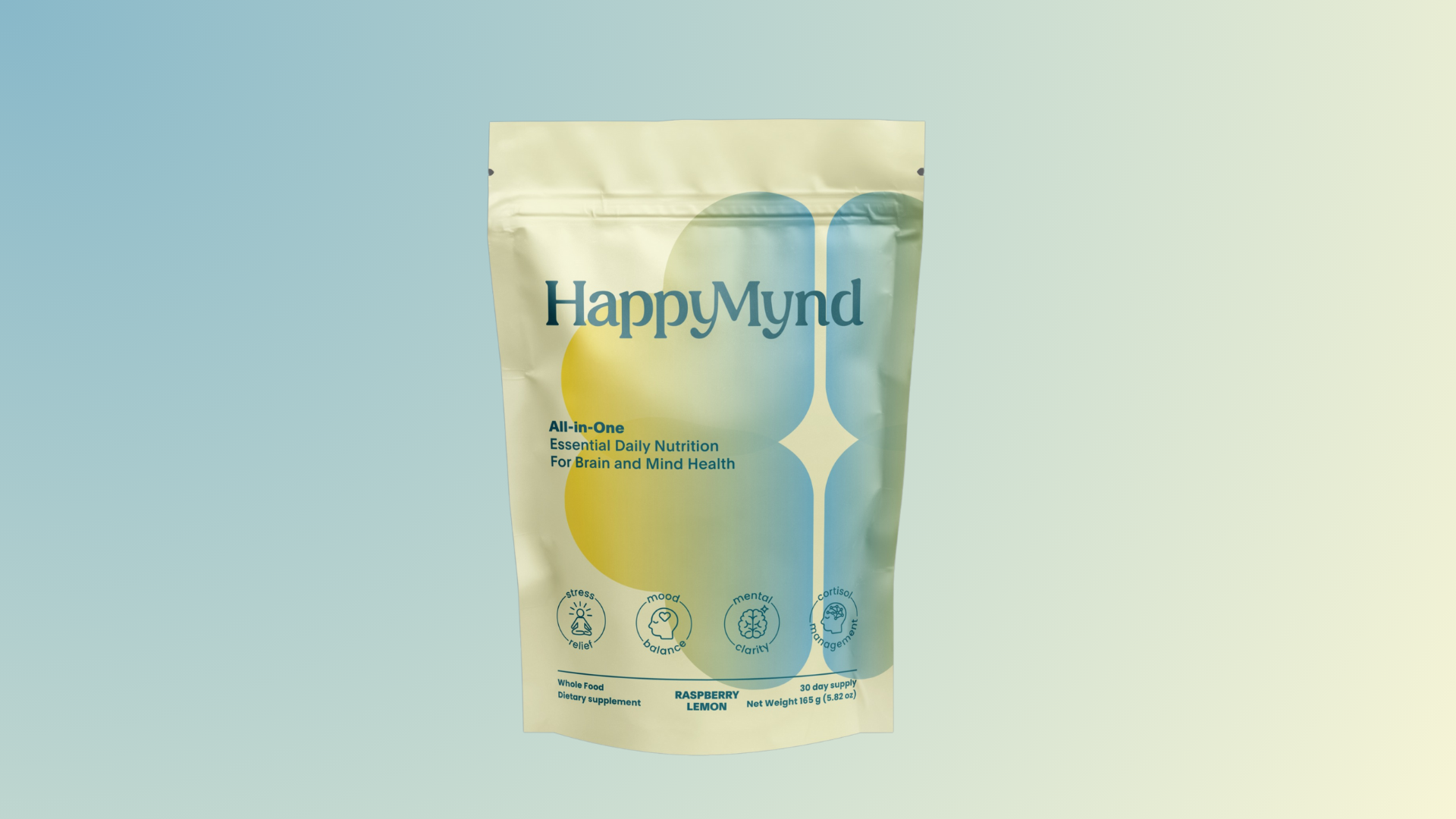
By the way, if you need comprehensive sleep support (not only sound but also nutrients), we recommend using additional nutrients to support your body. Happy Mynd is a functional drink with magnesium and adaptogens that helps the nervous system relax before bedtime.
Understanding Brainwaves and Sleep Frequencies
Let's skip the fancy terms. The brain has several "speeds":
-
Delta waves (0.5-4 Hz) - this is deep sleep. Complete shutdown of consciousness, restoration of the body, and production of growth hormone. This is where true rest occurs.
-
Theta waves (4-8 Hz) - dozing, meditation, light sleep. This is a transitional zone between wakefulness and deep sleep. The brain is relaxed but not yet completely asleep.
What frequency is good for sleep? Delta and theta ranges are usually recommended. They are natural for a state of rest. When you turn on the sound at these frequencies, the brain "hears" the signal: "Hey, it's time to slow down." And it gradually adjusts. Not instantly, but effectively - especially if you do it every night at the same time. It's like training yourself to follow a routine, not with willpower, but with sound.
Why Certain Hertz Are Better for Deep Sleep Than Others
Why do scientists recommend using low frequencies? Because high frequencies (for example, 20-40 Hz) are beta waves, a state of concentration and activity, the complete opposite of what you need for sleep.
Important: loudness does not mean it works well. You do not have to turn it up high. The sound should be very soft, like noise, in the background. Your brain will still hear the sound even if you do not really notice it.
Consistency is more important than intensity. It is better to listen quietly for 20 minutes every evening than to listen at full volume once a week. The body likes predictability - and sleep is no exception.
So if you're looking for the best frequency for sleep, start with the 1-4 Hz (delta) range. This is a classic that works for most people.

Best Frequency for Deep Sleep: What Research and Practice Suggest
What does the research say? In general, sound frequencies really work - but not as a magic pill, rather as a supportive tool. That's why researchers have identified the most popular ranges:
-
1-4 Hz (delta) - deep sleep, physical recovery. This is the best frequency for sleep if you want to wake up feeling rested, not exhausted.
-
4-8 Hz (theta) - relaxation, meditation, light drowsiness. Helps to "turn off" thoughts and fall asleep.
-
432 Hz and 528 Hz - often mentioned in the context of "healing frequencies." This is a more subjective experience than science, but many people like it. They work more like background relaxation sounds.
The best hertz for sleep is usually a combination of low frequencies (delta + theta) + white or pink noise. Such tracks are available on YouTube, Spotify, and in special apps. Or search the internet; after all, we live in the 21st century.
How to Use Sleep Frequencies for Better and Deeper Sleep
Theory is all well and good, but how do you put it into practice? Here's a simple plan:
-
When to listen:
30-60 minutes before bed. Turn on the sleep frequency as part of your evening ritual: dim the lights, put away your phone, turn on the sound. Your brain will quickly get used to this as a signal that it's time to sleep. You can also listen while you sleep - many people play tracks all night long. But be careful: if the sound wakes you up or disturbs your partner, it's better to set a timer for 1-2 hours.
-
Headphones or speakers:
Both options work. Headphones give a "cleaner" signal, especially when using binaural beats (when each ear is fed a slightly different frequency). But sleeping with headphones on is uncomfortable. Speakers are easier. Put them on the nightstand, turn them on quietly, and that's it. The best frequency for sleep will work either way.
-
Volume and duration:
Quiet. Seriously, no need to turn it up. The sound should be barely audible, like background noise. The brain picks up the frequency even at minimum volume. Duration - at least 20-30 minutes. But it's better for the entire period of falling asleep. If you turn it on for the whole night, set a timer or choose tracks for 6-8 hours.
-
Consistency and routine:
This is the key. Sleep frequency works better if used regularly. Not once a week when you can't sleep at all, but every night. Create a ritual: shower → drink with magnesium (for example, Happy Mynd) → dim the lights → turn on the best frequency for sleep → go to bed. After a couple of weeks, your body will fall asleep on cue.
Who Can Benefit Most from Using Sleep Frequencies
Who is this suitable for? Almost everyone, to be honest. But there are categories of people for whom sleep frequency is particularly useful:
-
You are a light sleeper. Do you wake up at the slightest noise? The best sleep frequency helps you sink deeper so your brain doesn't react to every sound.
-
Stress and overthinking. Can't turn off your mind, thoughts going round and round? Frequencies help "slow down" brain activity and put it into rest mode, especially when combined with adaptogens and magnesium (hello, Happy Mynd).
-
Difficulty falling asleep. Do you lie awake for an hour or two, counting sheep? What frequency is good for sleep - try 4-8 Hz (theta waves). They help you relax and "fall" asleep faster.
-
You often wake up at night. Interrupted sleep is hell. Low frequencies (delta, 1-4 Hz) support deep sleep and reduce the number of awakenings.
-
You work night shifts or travel. Disrupted routine, jet lag? The optimal sleep frequency helps the brain adapt to a new schedule more quickly. It's not a substitute for sleep, but it's a good aid.
-
You want to sleep better. Even if you don't have sleep problems, sleep frequency can improve its quality. Deeper phases, less shallow sleep, more energy in the morning.
The main thing is that it's a simple, low-effort solution. No need to change your whole life, buy expensive devices, or take pills. Turn on the sound, go to sleep, and that's it. The best hertz for sleep does its job while you rest.
Try it for at least a week. Find a track at 2-4 Hz, set it in the evening, and turn off your phone. And see how your morning changes. One more thing worth mentioning: if you want to take your sleep routine a step further, Happy Mynd makes a genuinely good companion to your sound frequencies. Magnesium and adaptogens work from the inside - calming the nervous system, easing tension, and preparing your body for rest. Just a drink that quietly does its job while the frequencies do theirs.
Your brain is your superpower
Now you can take better care of it.