Best Foods to Reduce Cortisol After Fasting – Drinkhappymynd
Last updated: April 28, 2026
What to eat to lower cortisol? Nowadays, fasting has become one of the most prevalent health fads of the past ten years. This method is applied by people to boost their metabolic rates, increase energy, shed extra pounds, etc. But few people know that fasting can have one significant drawback, and that is the activation of the body’s stress response system. Namely, the levels of cortisol, a stress hormone, increase after this practice. It means that it is essential to eat certain foods to lower cortisol in case you want to feel energetic and balanced. In this article, you will learn the reasons why cortisol increases after fasting, five proven foods that reduce this hormone level, whether green tea is helpful for this aim, and some tips to create the perfect post-fast meal.
Why Cortisol Levels Rise After Fasting
Cortisol is called the energy-mobilizing hormone because of its primary function in the body. While it feels like a food shortage, cortisol is released to start the mobilization of energy from glycogen storage, gluconeogenesis, and to maintain the work of the brain. In general, moderate spikes in cortisol in the case of occasional fasting are quite healthy and can be seen as a positive thing. It helps to maintain the natural circadian rhythm and become more energized. But when the period of fasting lasts too long, or the body suffers from some other stressors, increased cortisol becomes a problematic issue.
It provokes people’s feeling tired, anxiety, irritability, and exhaustion despite having plenty of energy. This cycle must be interrupted by consuming specific foods immediately after the fasting stage. If not, the level of cortisol hormone that causes stress would continue to be high, causing discomfort.
As we mentioned above, after fasting, people usually eat something like a high-carb breakfast, sugar, or strong black coffee. All of these factors only increase the cortisol and provoke the sharp rise and fall of the blood glucose level, creating additional discomfort. It means that foods that reduce cortisol should contain such nutrients as:
-
slowly absorbed carbs;
-
protein;
-
healthy fats;
-
antioxidants;
-
B vitamins;
-
magnesium;
-
zinc;
-
flavanols;
-
polyphenols;
-
L-theanine.
5 Foods That Naturally Decrease Cortisol
To clarify the situation, you may be wondering which specific 5 foods that naturally decrease cortisol might be effective. Below, we will provide some science-based suggestions for your consideration.
-
Fatty fish. The products of salmon, mackerel, and sardine, regardless of their varieties, include omega-3 fatty acids. Many researchers have found that eating fish products lowers the inflammation in the body and also the levels of stress hormones called cortisol. Additionally, fish products consist of minerals, proteins, and fats that support brain function.
-
Berries. This group includes such fruits as blueberries, raspberries, strawberries, and others. Berries contain large amounts of vitamin C and polyphenols that have anti-inflammatory properties and can prevent oxidative stress caused by the high levels of cortisol. As studies have shown, vitamin C intake has the ability to reduce the activity of stress hormones.
-
Nuts and seeds. A few portions of almonds, walnuts, and pumpkin seeds per day can do wonders for the body in terms of reducing cortisol levels. Such products provide the body with healthy fats, magnesium, zinc, and B vitamins that support brain and stress responses. Moreover, walnuts contain additional omega-3 acids that are extremely useful for reducing the activity of cortisol in stressful conditions.
-
Leafy greens. Spinach, Swiss chard, kale, and other similar leafy greens have the highest amounts of magnesium, which is necessary for regulating the activities of the HPA axis. Studies have found that magnesium deficiency can lead to raised cortisol levels and even cause severe anxiety. Therefore, you can use those vegetables for your lunch or dinner after a period of fasting to restore hormones to normal levels.
-
Dark chocolate. The consumption of high-quality chocolate containing at least 70% of cocoa content is associated with decreased stress levels and cortisol due to its anti-inflammatory action. According to several studies, daily consumption of 20-30 g of the food decreases cortisol throughout the entire day. Remember to pay attention to portion sizes since they can be harmful.

Does Green Tea Lower Cortisol?
Does green tea lower cortisol? Let us find out. As you probably know, green tea contains such elements as:
-
caffeine;
-
polyphenols;
-
catechins;
-
EGCG;
-
L-theanine.
L-theanine has a remarkable ability to reduce the activity of the stress response in the brain. The mechanism of its action consists of the promotion of alpha-wave formation, which is associated with focused attention and calmness. Moreover, studies have confirmed that it has a positive effect on lowering cortisol levels in cases of high psychological loads. However, the caffeine contained in green tea activates the stress response, which is contrary to the effects of L-theanine.
That is why you should combine the consumption of this tea with your favorite products to achieve maximum effectiveness. It can be done immediately after having your post-fasting meal. According to studies, the consumption of green tea for a long time decreases morning cortisol levels. You may consume up to three cups per day.
Moreover, matcha can be used instead of green tea since it contains a greater amount of L-theanine per serving.
What to Eat to Lower Cortisol: Practical Tips
Finally, it is time to talk about practical tips on how to create the perfect post-fast meal. Here you will find some recommendations for choosing foods to lower cortisol levels successfully.
Start with healthy protein and fat products. If your breakfast is made from eggs, fatty fish, Greek yogurt, legumes, meat, or similar proteins, your cortisol levels will normalize faster, and you will get energy. Avoid cereals, pastry, or sweetened coffee because they provoke a high spike of insulin production in the body. In turn, it stimulates the release of cortisol.
Combine protein with complex carbohydrates. Products such as oatmeal, sourdough bread, sweet potatoes, etc., can become a great source of glucose. Combined with the products mentioned above, they provide stable energy for several hours due to their slow absorption.
Add some colors. Try to include in your diet different fruits and vegetables that are rich in valuable antioxidants and magnesium to restore your nervous system after a fast.
Drink more water before eating. Drink a glass of water or warm lemon tea half an hour before your meal. In this way, you will activate your digestive system and give your body a sign that it needs no more energy from the stored reserves.
Follow our advice about essential nutrients regularly to develop the basis for your health.
Avoid common mistakes. Try not to consume products like sugary juices, strong coffee, and processed snacks immediately after the fasting period. Instead, drink one cup of green tea with berries or other products mentioned above.
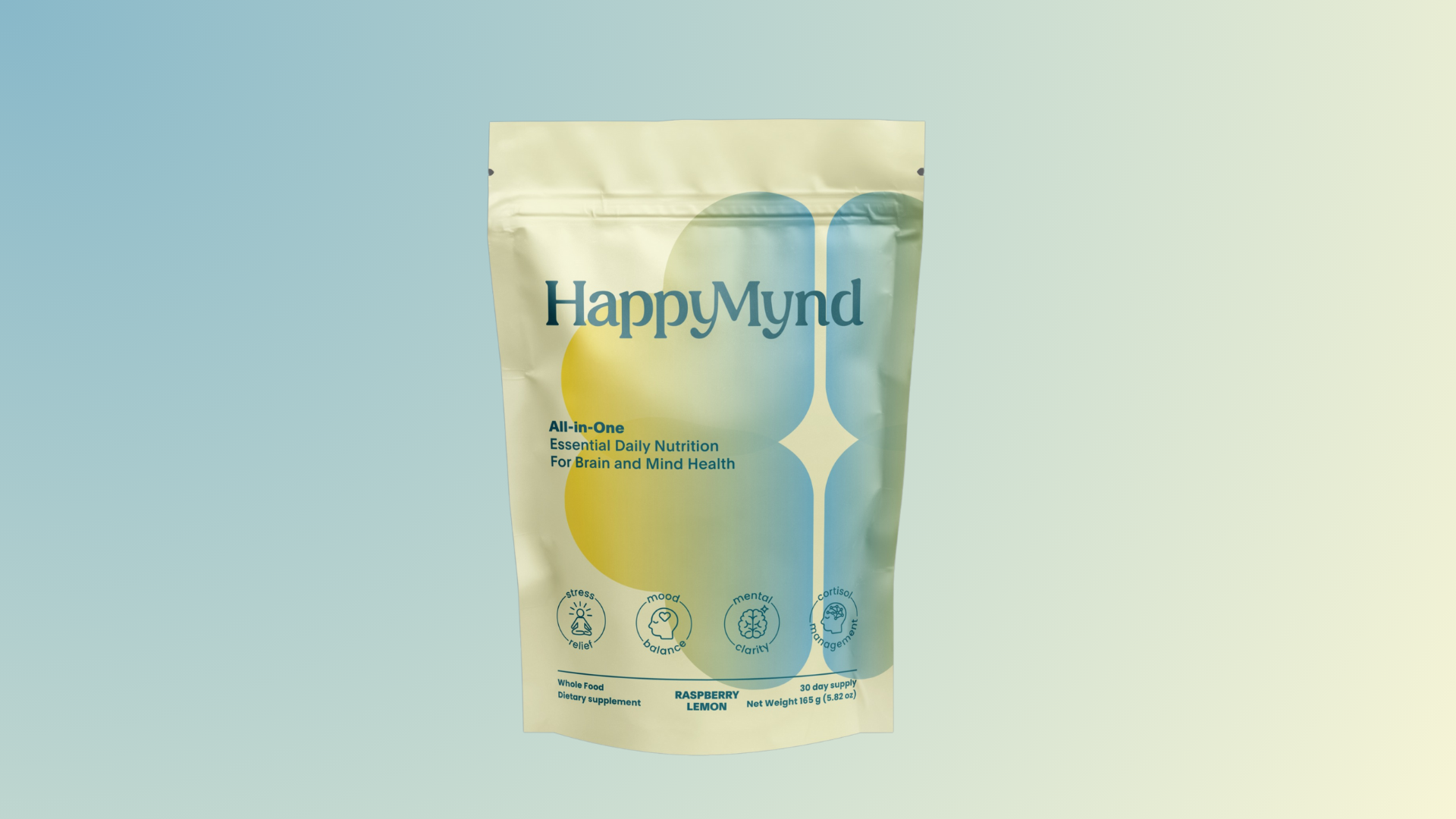
Apply various relaxation techniques before or after your meal. Try to practice breathing, yoga, meditation, and other techniques that promote alpha-wave generation. For example, the HappyMynd supplement can be useful for this purpose.
Your brain is your superpower
Now you can take better care of it.